

Revolutionize Your Business with Different Social Media Content Types | A Lifesaver To Make Big
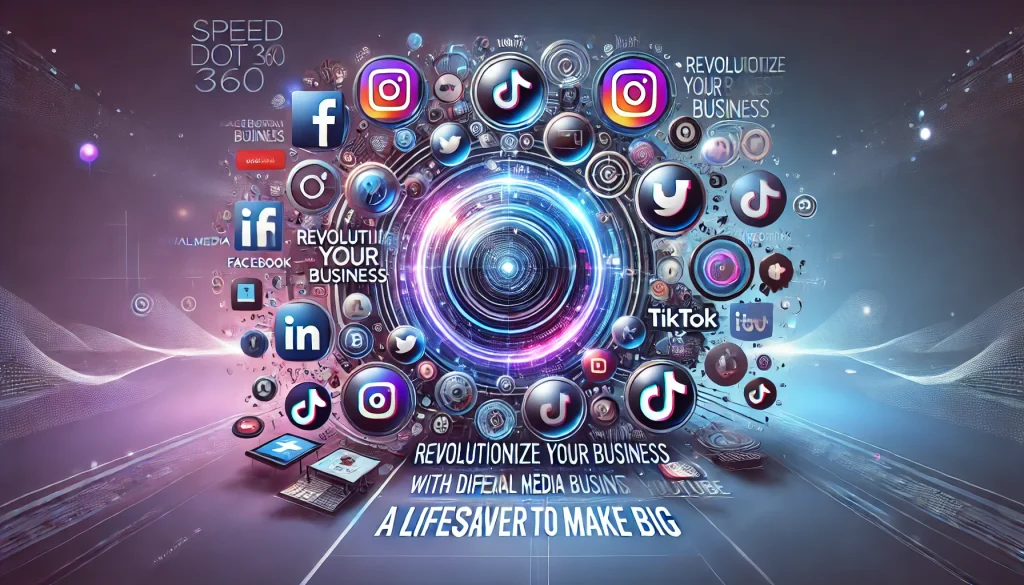
Do you want to grow your business through effective social media marketing content creation? Then, delve into the diversified social media content types for setting your business apart. Social media marketing is a renowned pit stop that can essentially illuminate your brand’s path toward glory. However, without the essence of social media marketing knowledge, you are just driving your brand astray. In this blog, we will help you discover efficient types of content that can resonate with your target audience with ease and help you grow your wings of profits effectively. What Are the 4 Content Pillars for Social Media? Before delving deep into the types of content, acknowledging the four prime content pillars will give you a head start in your future social media strategy. In order to diversify your brand, you need to enable your brand to focus on a specific communication medium for social community interaction. The themes mentioned below are the foundation of your social media strategy that can sustain your social media workflow. Promotional content Educational content Inspirational content Entertaining content However, the content strategy is directly proportional to the service or product you offer to your audience. Therefore, comprehensively analyze your services and craft a perfect social media content plan; for ultimate assistance, you can always partner up with a social media marketing agency in the USA and lead your brand to success. Understanding Social Media Content Types Different platforms require tailored content strategies. Here’s a breakdown of the top content types that businesses should integrate into their social media marketing plan: Short-Form Video Content Short-form videos dominate platforms like Instagram Reels, TikTok, and YouTube Shorts. These videos are engaging, highly shareable, and perfect for increasing brand visibility. Why It Works: Captures attention within seconds. Encourages shares, boosting organic reach. Ideal for showcasing products and behind-the-scenes insights. Best Platforms: TikTok, Instagram Reels, YouTube Shorts, Facebook Stories. Long-Form Educational Content Long-form videos and blog posts work well on platforms like YouTube and LinkedIn, offering in-depth insights into industry trends and thought leadership. Why It Works: Positions brands as experts in their industry. Enhances trust and credibility. Drives more engagement through valuable knowledge-sharing. Best Platforms: YouTube, LinkedIn, Medium, company blogs. Carousel Posts & Infographics Carousels on Instagram and LinkedIn help brands share step-by-step guides, industry insights, and statistics in an engaging format. Infographics enhance content readability and shareability. Why It Works: Boosts engagement with swipe-friendly content. Easily digestible, making complex information accessible. Encourages and shares, increasing reach. Best Platforms: Instagram, LinkedIn, Pinterest. User-Generated Content (UGC) UGC is any content customers create, such as testimonials, reviews, or social media posts featuring a brand’s products. Why It Works: Builds authenticity and social proof. Increases brand loyalty through community engagement. Encourages word-of-mouth marketing. Best Platforms: Instagram, Twitter, Facebook, TikTok. Live Streaming & Webinars Live video has truly revolutionized how businesses interact with their audience. From product launches to Q&A sessions, real-time engagement fosters deeper connections. Why It Works: Real-time interaction enhances audience engagement. Strengthens brand trust and transparency. Prioritized by platform algorithms, increasing visibility. Best Platforms: Facebook Live, Instagram Live, YouTube Live, LinkedIn Live. Influencer Partnerships & Collaborations Working with influencers extends a brand’s reach and credibility. Whether micro or macro-influencers, their endorsement can significantly impact your business. Why It Works: Taps into established audiences. Increases conversion rates through trusted recommendations. Works well with Instagram marketing services and Facebook ad campaigns. Best Platforms: Instagram, TikTok, YouTube, LinkedIn. Polls, Quizzes, and Interactive Content Engaging with your audience through polls and quizzes is a great way to gather insights while keeping users entertained. Why It Works: Encourages audience participation. Provides valuable consumer feedback. Boosts engagement rates on social platforms. Best Platforms: Instagram Stories, Twitter Polls, Facebook. Storytelling Through Blog Posts Well-crafted blog posts drive traffic to websites and position brands as industry leaders. A strong social media content creation strategy should include blog links shared across social channels. Why It Works: Increases website traffic and SEO rankings. Strengthens brand credibility and thought leadership. Provides long-term value to readers. Best Platforms: LinkedIn, Medium, company websites, and Facebook. What is the 50/30/20 Rule for Social Media? The 50/30/20 rule is an essential guideline for maintaining balance in your social media content strategy: 50% Value-Based Content: Educational posts, industry insights, and how-to guides that provide value to your audience. 30% Promotional Content: Posts that showcase your products, services, and customer testimonials. 20% Engagement-Driven Content: Polls, interactive posts, and memes to foster community engagement. This rule ensures that brands don’t overwhelm followers with excessive promotional posts, allowing for a well-rounded social media presence. How Speed Dot 360 Will Thrive to Skyrocket Your Business With SMM At Speed Dot 360, we specialize in social media management, offering comprehensive solutions tailored to each brand’s needs. Whether it’s LinkedIn advertising solutions or paid social media advertising, we ensure data-driven strategies that deliver results. Our team crafts high-quality social media content calendars that align with your business objectives. We analyze social media metrics, optimize ad spend, and create campaigns that truly connect with audiences. With years of expertise in Facebook ad campaigns and Instagram marketing services, we position brands in front of their target customers, ensuring maximum impact and ROI. Whether you’re a startup or a large enterprise, Speed Dot 360 provides the perfect blueprint for digital success. Partner with us today and take your social media game to the next level! Conclusion Adapting diverse social media marketing content types is key to maximizing engagement and business growth. By leveraging short-form videos, interactive content, and influencer collaborations, you can build a robust digital presence. Want to revamp your social media game? Connect with Speed Dot 360, and let’s create a winning social media strategy development plan to elevate your brand!
How Web 3.0 Is Changing the Art of Web Designs
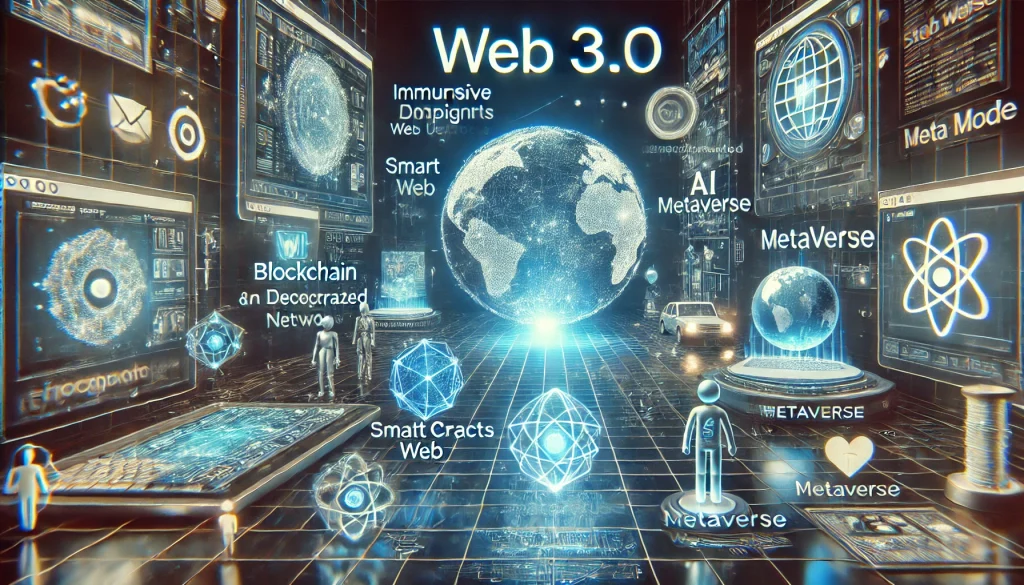
Needless to say, Technologies are exotically revolutionizing; however, the notable evolution of the internet has dramatically changed how we interact with digital platforms. With the emergence of Web 3.0, businesses and developers are shifting towards decentralized and user-centric web experiences. The new era of the internet influences custom web development by incorporating AI-driven interfaces, blockchain security, and seamless user experiences. At Speed Dot 360, we are at the forefront of this transformation, offering mobile-friendly website design solutions that align with Web 3.0 principles. This blog explores how Web 3.0 is reshaping web design and what businesses need to do to stay ahead. What is Web 3.0? The third generation of the internet – Web 3.0, is the technology that emphasizes decentralization, automation, and user sovereignty. Unlike its predecessors, Web 3.0 operates on blockchain-based networks, ensuring transparency, enhanced security, and improved user control. Key Features of Web 3.0: Decentralization: Eliminates intermediaries, reducing data breaches and increasing ownership rights. Artificial Intelligence & Machine Learning: Enhances website functionality with adaptive algorithms. Interoperability: Seamless integration across multiple platforms and devices. Blockchain Security: Ensures data integrity and transparency, eliminating unauthorized modifications. The Tapestry of Web 1.0, 2.0 & 3.0 Web 1.0: The Static Web (1990s – Early 2000s) Read-only web, popularly regarded as “Web 1.0”, was also referred to as the earliest phase of Internet evolution. Websites were static, with minimal interactivity and basic HTML structures. Characteristics: Static HTML pages with limited user interaction. No user-generated content; only companies and developers could publish content. Basic design with simple text and images. Web 2.0: The Interactive Web (Early 2000s – Present) Web 2.0 introduced dynamic content, social media, and increased interactivity. It shifted from static pages to user-driven platforms where people could create and share content. Characteristics: Social media platforms like Facebook, Twitter, and Instagram. Dynamic, database-driven websites enabling real-time interaction. Centralized control where companies own and manage data. Web 3.0: The Decentralized Web (Emerging Era) Web 3.0 builds upon Web 2.0 but eliminates centralized control, leveraging blockchain and AI to create intelligent, user-centric digital experiences. Characteristics: Decentralization: Blockchain-based transactions eliminate intermediaries. Semantic Web: AI and machine learning personalize user interactions. Enhanced Security: Smart contracts ensure secure and transparent operations. Understanding Web 3.0 and Its Impact on Web Design Web 3.0 is the next stage of internet evolution, characterized by decentralization, machine learning, and seamless user interactions. Unlike Web 2.0, where centralized control dictated content flow, Web 3.0 promotes peer-to-peer connectivity and empowers users through blockchain technology. Key Features of Web 3.0 Influencing Web Design: Decentralization: Websites no longer rely on centralized servers; instead, they operate on blockchain-based networks. Artificial Intelligence & Machine Learning: Websites can understand user behavior and personalize content more efficiently. Interoperability: Web applications function across multiple platforms without compatibility issues. Enhanced Privacy & Security: Blockchain technology ensures data protection and transparency. Web 3.0 Elements That Transform Web Design Decentralized Web Hosting & Security Traditional websites rely on centralized hosting services, making them vulnerable to cyber-attacks. Web 3.0 introduces decentralized hosting, where content is distributed across a blockchain network, increasing security and uptime reliability. How It Affects Web Design: No single point of failure improves website uptime. Reduced reliance on third-party hosting services. Enhanced data security with blockchain technology. 2. AI-Powered Personalization AI and machine learning enable custom web development tailored to individual users. Web 3.0 websites use AI to predict user preferences, ensuring dynamic and engaging digital experiences. Benefits for Web Designers: Adaptive design elements based on user behavior. AI-powered chatbots for real-time assistance. Personalized content recommendations. 3. Integration of Blockchain Technology Blockchain revolutionizes web design by offering transparency and security. Smart contracts allow automated interactions, reducing the need for intermediaries in transactions. How It Impacts Design: Secure login credentials using blockchain authentication. Trust-based transactions without third-party interference. Immutable data storage to prevent fraud and hacking attempts. 4. Voice Search & Natural Language Processing (NLP) With the rise of AI assistants like Alexa and Siri, Web 3.0 is adapting to voice search optimization. Web designers now need to incorporate NLP strategies to ensure websites rank well in voice searches. Web Design Enhancements: Conversational UI for improved user experience. Structured data implementation for better search engine ranking. Faster access to information using voice commands. 5. Metaverse & Augmented Reality (AR) Integration Web 3.0 extends beyond traditional website interactions, bringing augmented reality (AR) and the metaverse into web design. Businesses can create immersive virtual experiences, offering customers new ways to engage with brands. Transformations in Web Design: 3D product visualization for e-commerce sites. Virtual storefronts for enhanced shopping experiences. Interactive metaverse environments for deeper brand engagement. The Role of Web 3.0 in Mobile-Friendly Website Design As mobile usage continues to dominate, mobile-friendly website design is no longer an option but a necessity. Web 3.0 pushes for seamless adaptability, ensuring that websites function smoothly across devices. Enhancements in Mobile Web Design: Progressive Web Apps (PWAs) for faster loading times. AI-driven content adaptation for personalized browsing. Touch-free navigation through voice search optimization. Organizations that fail to spearhead for mobile risk losing their competitive edge in the Web 3.0 era. Web 3.0 and Front-End Development Services The demand for front-end development services has skyrocketed with Web 3.0. Developers must focus on interactive, fast, and scalable web applications that offer exceptional user experiences. How Front-End Development is Evolving: Use of WebAssembly for high-performance web applications. AI-powered interfaces for intuitive user interactions. Blockchain-driven authentication for secure login systems. By leveraging Web 3.0 technologies, businesses can build highly responsive websites that cater to the needs of modern users. The Future of Digital Branding with Web 3.0 A strong digital identity is crucial in the Web 3.0 era. A digital branding agency must evolve its strategies to incorporate blockchain-based authentication, AI-driven marketing insights, and immersive metaverse branding. How Web 3.0 Influences Branding: NFT-Based Brand Assets: Unique digital assets that offer exclusive brand ownership. Decentralized Identity Verification: Secure user authentication for brand trust. Immersive Brand Engagement: AR and VR experiences to connect with audiences. Brands that embrace these Web 3.0 innovations