

The Right Use Of AI In Digital Marketing
Artificial Intelligence (AI) came into our lives with a revolutionary change, commenced in a simple world, and has now set a trend that is no longer a futuristic concept; AI has changed how we do our work and has essentially transformed the digital marketing landscape as well. Brands use AI for content generation, SEO, PPC advertising management, and customer engagement. However, as AI becomes more embedded in marketing, ethical concerns arise about transparency, privacy, and authenticity. For businesses that rely on SEO optimization services, AI-driven automation can streamline processes, but over-reliance on AI-generated content and unethical data use can damage credibility. This article explores the ethical and strategic use of AI in digital marketing, ensuring that brands can harness its potential without compromising integrity. The Fine Line Between Innovation and Manipulation AI is evolving how businesses interact with consumers, but where should the line be drawn? The ethical use of AI means ensuring that algorithms enhance rather than manipulate user experiences. Marketers must ensure AI tools are used transparently and fairly, avoiding deceptive practices that could mislead customers or exploit their data. AI-driven marketing should prioritize user trust, ensuring that automation enhances experiences rather than replaces genuine human interaction. Ethical AI respects user autonomy, avoids manipulative tactics, and provides value-driven engagement rather than focusing solely on conversions. Key Ethical Considerations: Transparency in AI-driven decision-making Avoiding AI-generated misinformation Preventing AI Bias in advertising and content delivery Balancing Automation with Authenticity AI tools like ChatGPT and Jasper can assist in content creation, but blindly using AI-generated content can lead to plagiarism, misinformation, and generic output. Content marketing agencies should balance AI efficiency with human oversight to ensure that content remains original, engaging, and contextually accurate. AI can be leveraged to generate first drafts, analyze trends, and optimize readability, but final content should always be reviewed by human editors. While AI can speed up production, ethical concerns arise when AI content is misrepresented as human-written or used to create misleading narratives. Best Practices for Ethical AI Content Creation: Ensure AI-generated content is reviewed and edited by humans Avoid misleading AI-generated narratives Disclose AI involvement in content production Use AI to assist, not replace, creative content teams Enhancing Search Without Gaming the System SEO has evolved with AI, making keyword research services more efficient. AI tools analyze user intent and suggest optimized keywords, but some businesses misuse AI to manipulate rankings with keyword stuffing or AI-generated spam content. Ethical AI in SEO ensures that search results remain valuable to users. AI should be used for data-driven insights, improving search intent alignment, and refining content strategies rather than exploiting algorithm loopholes. Ethical SEO Practices with AI: Use AI-driven keyword insights responsibly Avoid auto-generated articles with no human review Prioritize high-quality, informative content Leverage AI for intent-based content optimization Transparency and Fair Bidding Practices PPC advertising management relies heavily on AI for real-time bidding and ad targeting. While AI optimizes campaigns, there is a risk of manipulative practices such as inflated ad engagement or non-transparent targeting. Using AI in PPC should focus on creating a fair and efficient bidding system that maximizes ROI while respecting ethical standards. Marketers should ensure that AI-powered ad placements provide genuine value and do not mislead audiences with overly optimized messaging. Ensuring Ethical AI Use in PPC: Clearly disclose AI-driven ad placements Avoid misleading AI-generated ad copies Respect user privacy when targeting ads Ensure fair bidding practices to prevent price manipulation Ethical Outreach vs. Automation Abuse AI can streamline link-building services by identifying high-quality backlink opportunities, but mass AI-generated outreach often results in spammy, irrelevant links that hurt credibility. Marketers should ensure that AI is used to build meaningful partnerships rather than automate outreach without context. Ethical link-building should prioritize genuine connections and high-authority sources rather than excessive automation. Ethical Link Building with AI: Use AI for research, not for mass automation Personalize outreach efforts with human input Avoid black-hat AI tactics like fake link networks Give strict attention to quality over quantity when building backlinks Personalization Without Privacy Invasion AI-driven chatbots enhance customer interactions, but they must not deceive users into thinking they are interacting with humans. Transparency is key, and brands should avoid using AI-generated conversations to manipulate or mislead customers. AI chatbots should enhance user experience through relevant, quick responses while allowing seamless human escalation when necessary. Brands should also prioritize ethical data collection, ensuring chatbots do not store unnecessary user information. Best Practices for Ethical AI Chatbots: Clearly indicate chatbot interactions Use AI for assistance, not manipulation Ensure chatbots respect customer privacy Allow human intervention when necessary Ensuring Compliance in Digital Marketing AI-driven analytics provide valuable insights, but ethical concerns arise when AI is used to track user behavior without consent. Organizations must comply with data protection rules like GDPR and CCPA. In addition, transparency in data collection and AI usage is essential to maintaining consumer trust. Businesses should prioritize security, anonymization, and explicit consent when handling user data. Key Privacy Considerations: Obtain explicit user consent before collecting data Anonymize data when possible Be transparent about AI’s role in data analysis Implement data protection measures to prevent breaches Ethical Influencer Targeting & Engagement AI helps brands identify influencers and analyze engagement, but some brands misuse AI-generated engagement, such as fake followers and auto-generated comments. The ethical use of AI in social media marketing ensures genuine audience interactions and prevents misleading metrics. AI should be used to enhance engagement strategies rather than fabricate false audience growth. How to Use AI Ethically in Social Media: Avoid AI-generated fake engagement Disclose AI-driven influencer partnerships Use AI insights for authentic audience engagement Ensure AI does not manipulate social sentiment How to Use AI Without Losing Credibility? Consumers value authenticity, and over-reliance on AI can erode trust. Ethical AI practices ensure that brands maintain credibility and foster long-term relationships with their audience. Brands should be upfront about AI’s role in their marketing strategies and avoid using AI to manipulate user behavior or perceptions. Building Consumer Trust with AI: Use AI as
Should Brands Advertise on Twitch?
With over 140 million monthly active users, Twitch has revolutionized from a niche gaming platform into a mainstream digital powerhouse. It’s not just for gamers anymore—Twitch has become a forefront for content creators across various industries, from music and sports to tech and lifestyle. But does that mean all brands should jump on the Twitch advertising bandwagon? For brands looking to expand their social media strategy development, Twitch presents unique opportunities, but it also comes with challenges. While the platform offers high engagement rates and influencer marketing potential, advertising here requires a deep understanding of its interactive community-driven culture. In this blog, we’ll explore the pros and cons of Twitch advertising, the available ad formats, and whether your brand should invest in this platform. Understanding Twitch as an Advertising Platform Twitch is not just another social media platform. Unlike Instagram, Facebook, or YouTube, where content is consumed passively, Twitch thrives on live interactions. Viewers engage in real-time with their favorite streamers through chat, donations, and subscriptions, fostering a deep sense of loyalty. Twitch Audience Demographics Before deciding to advertise on Twitch, brands must understand who they’re reaching: Young and tech-savvy audience: 75% of Twitch users are between 16-34 years old. Engagement-driven behavior: Twitch users watch an average of 95 minutes per day—higher than most social media platforms. Community-focused culture: Viewers trust streamers’ recommendations more than traditional ads. Unlike platforms where ads disrupt the user experience, Twitch viewers are more open to advertising when it’s done authentically, particularly when endorsed by their favorite streamers. Benefits of Advertising on Twitch Advertising on Twitch can be highly effective, but only if done correctly. Here’s why many brands find success on the platform: High Engagement and Long Watch Times Unlike traditional social media management platforms, where users scroll past ads quickly, Twitch users spend hours watching live streams. This long-form content consumption means better ad retention and engagement rates. Influencer-Led Marketing Opportunities Twitch is one of the best platforms for influencer marketing agencies to collaborate with streamers. Unlike celebrities on Instagram or TikTok, Twitch influencers engage directly and continuously with their audiences, leading to stronger brand endorsements. A Loyal and Interactive Audience The Twitch community is tight-knit and passionate. When streamers endorse a brand, their audience listens. This makes sponsorships, giveaways, and branded content far more effective than traditional display ads. Unique Advertising Formats Twitch offers multiple advertising formats beyond traditional banner ads, allowing brands to integrate more naturally into the platform’s ecosystem. These include sponsored streams, interactive overlays, and branded in-game activations. Twitch Advertising Options: Which One Works Best? Twitch provides various advertising formats that cater to different marketing objectives. Understanding these options can help brands choose the best approach for their campaigns. Twitch Partner & Affiliate Sponsorships Twitch Partners and Affiliates are streamers with dedicated followers who can run ads on their channels. Brands can collaborate with streamers for sponsored content, branded giveaways, or product placements. Works best for influencer marketing agencies that want to leverage authentic creator endorsements. Best for: Brand awareness, engagement, influencer marketing. Challenge: Requires the right streamer-brand fit to avoid audience backlash. Twitch Display & Video Ads Similar to YouTube ads, Twitch offers pre-roll, mid-roll, and display ads that appear during live streams. It can be targeted based on geography, interests, and demographics. Twitch users tend to ignore these ads, but they work well when paired with a strong call-to-action. Best for Driving website traffic, conversions, and brand exposure. Challenge: Many users install ad blockers, reducing reach. Sponsorships and Product Placements Brands can sponsor a segment of a stream or have their products featured in a streamer’s content. Works best when integrated naturally into the stream’s theme (e.g., a gaming chair brand sponsoring a gaming streamer). Viewers respond positively to organic brand integrations. Best for: Long-term brand partnerships and product awareness. Challenge: Needs to align seamlessly with the streamer’s content. Twitch Extensions and Interactive Ads Overlays and extensions allow brands to create interactive experiences during streams. Viewers can click on branded buttons to access promotions, discounts, or in-game rewards. Highly engaging and blends well with Twitch’s interactive nature. Best for: Gamified promotions and direct audience interaction. Challenge: Requires custom development, increasing costs. Challenges of Advertising on Twitch While Twitch has powerful advertising potential, brands must keep the challenges and risks in mind while dealing with the platform. High Advertising Costs Compared to other social media platforms, Twitch advertising requires a higher budget. Running effective social media content creation campaigns on Twitch often involves: Paying for sponsorships or streamer collaborations. Investing in high-quality branded overlays or interactive ads. Allocating a substantial ad spend for display and video ads. 💡 Solution: Start with smaller collaborations before committing to large-scale sponsorships. Audience Mismatch & Brand Fit Not every brand’s social media strategy development is a natural fit for Twitch. Twitch is heavily dominated by gaming and tech-savvy users. Brands in fashion, beauty, or B2B industries may struggle to find the right audience. Solution: Analyze Twitch’s audience and test smaller campaigns before scaling up. Negative Brand Associations Twitch is known for its unfiltered, live nature, which can lead to risks: Some streamers may engage in controversial discussions, affecting brand perception. Live chat interactions are hard to control, leading to potential brand reputation issues. Solution: Partner only with trusted, well-vetted streamers who align with your brand values. Difficult ROI Measurement Unlike platforms like Facebook and Instagram, Twitch’s analytics tools are less refined, making it harder to track ROI. Conversion tracking is limited, especially for brand awareness campaigns. Engagement metrics (viewership, chat interactions) don’t always translate to sales. Solution: Use UTM parameters and influencer promo codes to track performance more effectively. Should Your Brand Advertise on Twitch? Key Considerations Not every brand will benefit from Twitch advertising. Here are a few key questions to ask before investing in Twitch ads: Does Your Target Audience Use Twitch? If your brand targets: Gamers, tech enthusiasts, Gen Z, or millennial males → Twitch is a great fit. Older audiences, B2B clients, or industries unrelated to entertainment/gaming
Top Ways to Bolster Customer Relationships | Through Effective Marketing Efforts
Establishing a bolstered customer relationship lays a foundation for a successful marketing strategy and organizational achievement. Needless to say, in the era of digital dominance, it has become vital for companies to augment their techniques to approach prospects rather than just selling products or services. A digital branding agency plays a crucial role in helping brands craft personalized experiences, optimize customer engagement, and enhance retention rates. With competition at an all-time high, businesses that invest in customer relationships see increased brand loyalty, higher customer lifetime value, and improved advocacy. In this blog, we’ll explore key strategies to strengthen customer relationships and align them with your marketing efforts to achieve long-term success. Why Customer Relationships Are Vital for Marketing Success Customer relationships and marketing go hand in hand. A satisfied customer not only continues to engage with your brand but also becomes a vocal advocate, influencing others. Many studies state that obtaining a new client can be more costly to the wallets than retaining the existing one. Plus, potential customers are more likely to spend more and refer others, creating organic brand growth. Brands that prioritize customer relationships foster trust, enhance engagement, and ultimately strengthen their market positioning. By integrating marketing efforts with customer relationship management, businesses can craft a seamless journey that enhances satisfaction and loyalty. Key Strategies to Improve Customer Relationships Personalization: The Key to Customer Trust Modern customers expect personalized experiences. From social media interactions to email marketing, every touchpoint should feel tailored to their needs. Brands leveraging customer data through CRM systems can deliver personalized content, recommendations, and offers that make customers feel valued. Use data analytics to comprehend customer behavior and preferences. Personalize email marketing campaigns based on purchase history and engagement. Offer customized recommendations and exclusive deals to loyal customers. For instance, HubSpot’s advanced segmentation allows businesses to tailor messaging, increasing engagement and retention rates. Leveraging Social Media for Customer Engagement Social media is more than just a marketing tool—it’s a platform to build relationships. Effective social media management helps businesses foster two-way communication, humanizing the brand and creating a loyal community. Respond to customer queries and comments promptly. Encourage user-generated content and feature loyal customers. Use interactive content like polls, Q&A sessions, and live videos to engage audiences. Many brands have successfully turned social media into a customer service channel, enhancing their reputation and trustworthiness. Customer Relationship Marketing Customer Relationship Marketing (CRM) focuses on long-term engagement rather than short-term sales. A well-structured CRM strategy helps businesses nurture leads, convert them into loyal customers, and eventually turn them into brand advocates. Implement loyalty programs and referral incentives to encourage repeat business. Regularly communicate with customers through personalized messages. Use CRM tools to track interactions and improve engagement strategies. Brands that prioritize CRM strategies build communities of dedicated customers who actively promote the brand to others. Strengthening Customer Relationships Through Marketing Providing Value Beyond the Sale Customers are captivated when engaging with brands that offer more than just products. Providing valuable content—whether through blogs, videos, or webinars—helps businesses position themselves as industry leaders while nurturing customer relationships. Develop educational content that talks about customer pain points. Offer exclusive access to insights, reports, or webinars. Engage customers through interactive experiences such as quizzes and challenges. Building Social Media Brand Awareness Through Engagement A strong social media brand awareness strategy keeps your brand top-of-mind for customers. When businesses efficiently engage with their audience, they create an emotional connection that strengthens relationships. Showcase your brand’s personality through storytelling and authentic content. Host giveaways and interactive campaigns to boost participation. Partner with influencers or industry leaders to enhance credibility. Companies that effectively use social media build brand equity and long-term customer loyalty. Email Marketing for Relationship Nurturing Despite the social media surge, email marketing remains a prominent tool for nurturing relationships. Well-crafted email campaigns can keep customers engaged, informed, and connected with your brand. Segment your email lists to send targeted content. Automate follow-up emails to maintain continuous engagement. Provide personalized offers based on customer behavior. Brands that utilize email marketing effectively see higher retention and conversion rates. Measuring and Improving Customer Relationship Efforts In order to optimize customer relationship strategies, businesses must track key metrics and continuously refine their approach. Customer Satisfaction Score (CSAT): Measure how happy customers are with your brand. Net Promoter Score (NPS): Assess how likely customers are to recommend your brand. Engagement Rate: Monitor interactions on social media and email campaigns. Additionally, collecting and analyzing customer feedback helps businesses address concerns and improve experiences. Case Study: How a Digital Branding Agency Enhanced Customer Retention A leading digital branding agency implemented a data-driven customer relationship strategy, integrating personalized email campaigns and social media engagement. The result? A 35% increase in customer retention and a significant boost in referrals, demonstrating the power of relationship-focused marketing. Conclusion Improving customer relationships is not just a marketing tactic—it’s a long-term strategy that drives business growth. By personalizing interactions, leveraging social media, implementing CRM strategies, and continuously providing value, businesses can build trust and loyalty with their customers. Investing in customer relationships enhances brand reputation, increases customer lifetime value, and strengthens overall marketing efforts. Start implementing these strategies today and turn your customers into lifelong advocates for your brand.
The Evolution of Voice Search | How To Stay Ahead?

In the era of revolutionizing technologies and consistently tailoring themselves for user convenience, voice search has also joined the pack. It has transformed the way people interact with search engines, making queries more conversational and immediate. As AI-powered assistants like Siri, Google Assistant, and Alexa continue to improve, businesses must adapt their SEO strategies accordingly. The increasing reliance on voice search has pushed brands to rethink traditional optimization techniques. A digital branding agency plays a key role in helping businesses navigate these changes by refining their content for voice-friendly searches and improving their online presence. In this blog, we’ll explore how voice search has evolved, its impact on SEO, and blueprints to gain a competitive edge in this swiftly evolving landscape. The Rise of Voice Search and Its Evolution Voice search has come a long way since the early days of speech recognition technology. Initially, voice commands were clunky and inaccurate, but advancements in AI and natural language processing (NLP) have made them more seamless. Key Milestones in Voice Search Evolution: 2010s: Introduction of voice assistants like Siri (2011), Google Voice Search (2012), and Amazon Alexa (2014). 2020s: Smart speakers and voice-activated devices surge in popularity. 2024 and Beyond: AI-driven voice search capabilities enhance user intent recognition and deliver more precise search results. With more people relying on voice assistants for searches, brands must optimize their content to align with this trend. How Many People Used Voice Search in 2024? The number of voice search users has been steadily rising. According to recent statistics, over 157.1 million people in the U.S. alone used voice search in 2024, marking a 2.8% increase from 2022. This growing adoption highlights the importance of optimizing digital content for voice-based interactions. With more consumers relying on smart assistants for daily queries, businesses must integrate voice search strategies into their SEO efforts. How Voice Search is Changing SEO Voice search has shifted the way users interact with search engines, making traditional keyword-based optimization less effective. Let’s explore the major changes it brings to SEO. Conversational Keywords and Natural Language Processing Unlike traditional text-based searches, voice queries are more conversational. Instead of searching for “best restaurants NYC,” a user might say, “What are the best restaurants in New York City?” Importance of long-tail keywords and question-based phrases. Using keyword research services to identify trending voice search queries. The Shift to Mobile and Local SEO With most voice searches happening on mobiles, mobile-friendliness is critical. Additionally, voice search heavily favors local results. Optimize Google Business Profile for accurate business details. Improve site speed and ensure mobile responsiveness. Featured Snippets and Position Zero Many voice search responses pull answers from featured snippets. To improve visibility: Structure content in a Q&A format. Use bullet points, lists, and concise paragraphs. Implement on-page SEO strategies for better snippet optimization. Strategies to Optimize for Voice Search Focus on Long-Tail and Conversational Keywords To match natural speech patterns: Identify voice-specific keywords using SEO optimization services. Create content that answers common user questions. Improving Website Speed and Mobile Friendliness Google prioritizes fast-loading sites in voice search results. Key actions include: Compressing images and minimizing JavaScript. Using AMP (Accelerated Mobile Pages) for faster loading. Optimizing for Local Voice Search Since a large portion of voice searches are local, businesses should: Optimize Google Business Profile with accurate information. Include location-based keywords in metadata and content. Encourage customer reviews to improve credibility. Enhancing Content for Voice Search To increase discoverability: Implement structured data (Schema Markup) to assist search engines in understanding content better. Create FAQ pages to directly answer voice queries. Keep content concise and direct to match voice search responses. Future Trends in Voice Search As AI-driven voice assistants continue to evolve, several key trends are shaping the future: AI and Machine Learning Integration: AI-driven assistants will become even smarter, enhancing personalization. Voice Search for E-commerce: Voice-powered shopping is on the rise, with more users making purchases through voice commands. Multilingual Voice Search Optimization: Expanding global accessibility through voice-enabled translations. Conclusion Voice search is no longer a futuristic trend—it’s an essential shift in how people interact with search engines. Businesses must refine their SEO strategies to align with natural language processing, mobile optimization, and local search improvements. By leveraging on-page SEO strategies and enhancing content for voice queries, brands can stay ahead of the competition. Start optimizing for voice search today to enhance visibility, improve engagement, and future-proof your digital presence! FAQs Why is voice search becoming more popular? Voice search is growing due to improvements in AI-driven assistants, faster response times, and the convenience of hands-free searching. How can businesses optimize for voice search? They can optimize by using conversational keywords, improving site speed, optimizing for local search, and structuring content in a question-answer format. What role do SEO optimization services play in voice search? SEO services help businesses refine their strategies by conducting keyword research, improving content structure, and ensuring mobile compatibility. How does voice search impact traditional SEO? Voice search prioritizes natural language processing, long-tail keywords, and featured snippets, requiring a shift from traditional keyword-focused strategies. Is voice search relevant for all industries? Yes, industries like e-commerce, healthcare, and local businesses benefit greatly from voice search optimization.
Revolutionizing Social Media Advertising Trends of 2025
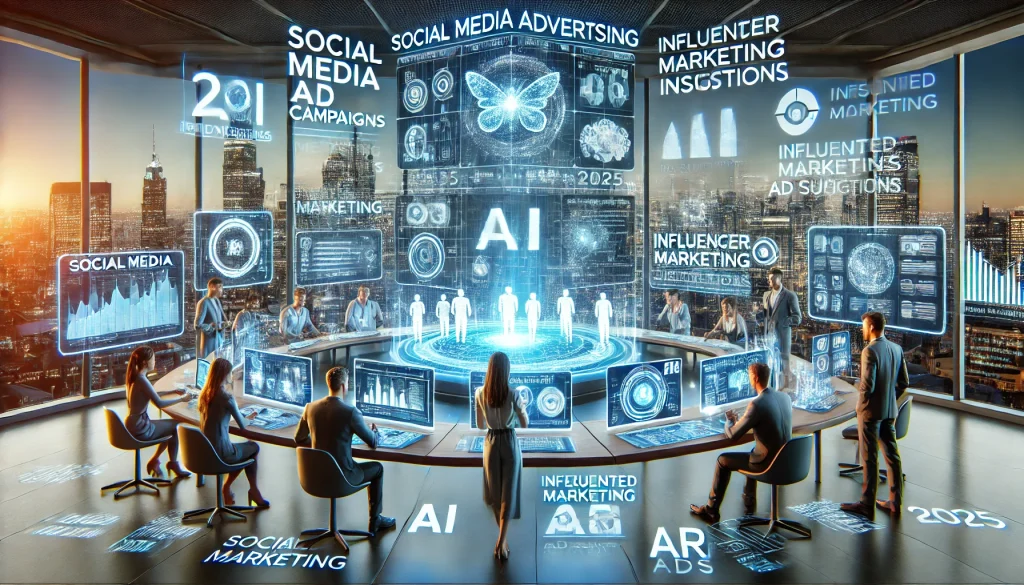
Social media advertising is evolving faster than ever, with platforms introducing innovative features, AI-driven insights, and advanced targeting capabilities. As businesses strive to stay ahead, mastering the latest social media strategy development trends will be crucial for success in 2025. In this blog, we’ll explore the biggest social media advertising trends shaping 2025 and how businesses can optimize their digital marketing strategies. AI and Automation: The Future of Social Media Advertising AI is transforming paid social media advertising, enabling businesses to optimize targeting, content creation, and audience engagement. Rather than relying on traditional methods, AI-driven automation now personalizes ad experiences, predicts user behavior, and streamlines the ad placement process. Artificial Intelligence (AI) is revolutionizing paid social media advertising by enhancing targeting accuracy, optimizing ad delivery, and personalizing user experiences. Key AI-driven trends include: Automated Ad Creation: AI-generated ad copies and visuals tailored to audience preferences. Predictive Analytics: AI forecasts user behavior, improving ad targeting and conversions. Chatbot Integration: AI-powered chatbots facilitate instant interactions and customer engagement. Brands that integrate AI into their advertising strategies will have a competitive edge by improving efficiency and audience engagement. Video Content Continues to Dominate Short-form videos, interactive live streams, and immersive content remain at the front of social media strategy development. Platforms like Instagram Reels, TikTok, and YouTube Shorts provide businesses with an engaging way to showcase products, tell brand stories, and foster audience interaction. With platforms like TikTok, Instagram Reels, and YouTube Shorts leading the way, short-form videos continue to dominate social media management strategies. In 2025, businesses should focus on: Engaging, high-quality content that captures attention within the first few seconds. Shoppable videos that permit users to purchase directly from the platform. Interactive elements like polls, Q&A, and live shopping events to enhance engagement. Short-form videos provide an authentic way for brands to collaborate with their audience and drive conversions. The Emergence of AR, VR, and the Metaverse With the growing popularity of AR and VR experiences, brands are using these technologies to create interactive advertising campaigns. From virtual try-ons to immersive shopping experiences, AR and VR are redefining consumer engagement on social media platforms. AR and VR are transforming how brands interact with consumers, making advertising more immersive and interactive. Key trends include: AR Filters & Try-On Features: Users can visualize products before purchasing (e.g., virtual makeup try-ons). VR Shopping Experiences: Brands create virtual storefronts for customers to discover products in a digital space. Interactive 3D Ads: Engaging ad formats that enhance user experiences on platforms like Instagram and Snapchat. As AR/VR adoption increases, businesses incorporating these technologies into their advertising strategies will see higher engagement and conversion rates. Hyper-Personalization in Advertising Personalized advertising will reach new heights in 2025, driven by AI and data analytics. Key developments include: Dynamic Content Customization: Ads tailored to individual preferences, behaviors, and demographics. User-Generated Content Integration: Leveraging customer testimonials and influencer content for more authentic promotions. Predictive Retargeting: AI analyzes browsing patterns to serve hyper-relevant ads. Consumers now expect highly personalized experiences, making this trend essential for boosting engagement and ROI. Social Commerce Becomes the New Norm The incorporation of e-commerce into social media platforms is revolutionizing online shopping. Platforms like Instagram, TikTok, and Facebook allow users to browse and purchase products seamlessly, making social media management a key component of sales-driven strategies. Social commerce is redefining online shopping by merging e-commerce with social media platforms. Notable trends include: One-Click Purchases: Seamless checkout experiences within social apps. Livestream Shopping: Real-time product demonstrations with instant purchasing options. AI-Powered Recommendations: Personalized product suggestions in accordance with user interactions. Brands leveraging Instagram marketing services and Facebook Shops will capitalize on social commerce trends in 2025. Increased Focus on Privacy and Ethical Advertising With rising concerns over data privacy, brands must adapt to new regulations and ethical advertising standards. Important developments include: Cookie-Less Targeting: Shifting from third-party cookies to first-party data and contextual targeting. Transparent Advertising Practices: Clearly communicating data usage policies to users. Ethical AI in Advertising: Ensuring AI-generated content is unbiased and respects user privacy. Brands prioritizing privacy-compliant advertising strategies will build trust and maintain customer loyalty. Redefining Influencer Marketing in 2025 Influencer partnerships are evolving beyond traditional collaborations. Brands now prioritize micro-influencers, AI-driven influencer selection, and performance-based contracts to ensure more meaningful engagement and tangible ROI. Influencer marketing continues to grow, but in 2025, authenticity and niche collaborations will take center stage. Key shifts include: Micro and Nano Influencers: Smaller influencers with highly engaged audiences drive more authentic interactions. AI-Powered Influencer Matching: AI tools connect brands with the most suitable influencers. Performance-Based Partnerships: Brands focus on measurable ROI rather than follower count. Businesses that refine their influencer marketing strategies will see higher engagement and conversion rates. Audio Advertising on Social Media With the dynamic surge of podcasts and audio-based platforms, social media audio advertising is gaining traction. Popular trends include: Voice Search Optimization: Ads optimized for voice search queries. Interactive Audio Ads: Engaging audio experiences with call-to-action prompts. Podcast Sponsorships: Brands collaborating with podcasters to reach niche audiences. Incorporating audio ads into social media strategy development ensures a well-rounded marketing approach in 2025. Cross-Platform Integration As users engage with multiple platforms, brands need a cohesive cross-platform advertising strategy. Key considerations include: Consistent Branding Across Channels: Unified messaging across Facebook, Instagram, TikTok, and LinkedIn. Omnichannel Marketing Strategies: Seamless experiences across social media, email, and websites. Automated Content Scheduling: AI-powered scheduling tools for optimized posting times. Cross-platform integration enhances brand visibility and strengthens audience engagement. Diversification of Social Media Ad Platforms While Facebook remains a powerful advertising channel, brands are shifting towards a multi-platform approach, investing in LinkedIn ads for B2B marketing, TikTok for younger audiences, and emerging social networks for niche markets. Facebook remains a leading force in social media advertising, but platforms like TikTok, LinkedIn, and emerging networks are reshaping digital marketing. Future trends include: AI-Powered Facebook Ad Optimization: Automated bidding and audience segmentation. LinkedIn B2B Advertising Growth: Increased investments in professional networking ads. TikTok’s Continued Expansion: Short-form video advertising innovations. Brands that diversify
How Speed Dot 360 Optimizes Your Home Service Website For SEO?
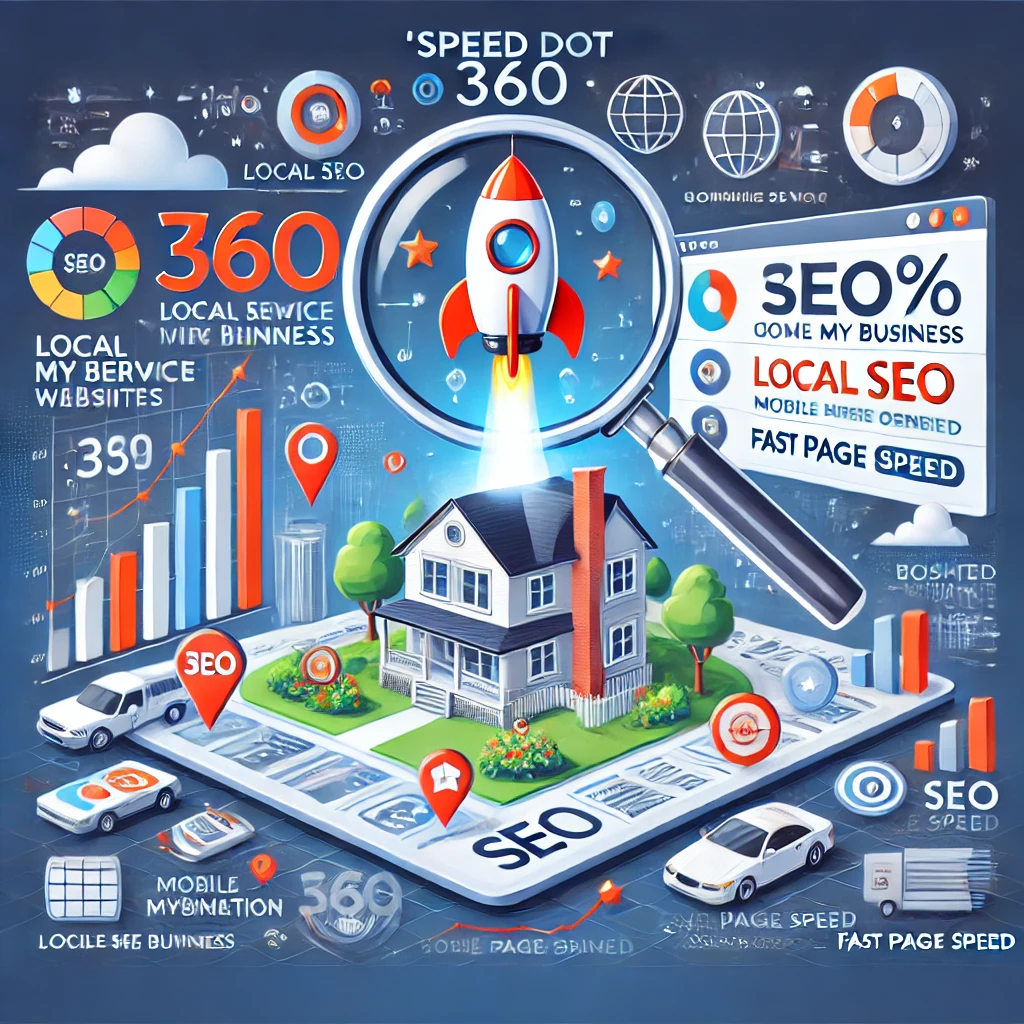
In today’s digital landscape, having a well-optimized website is crucial for home service businesses to attract local prospects and stay ahead of the competition. Speed Dot 360 specializes in SEO optimization services, helping home service providers increase their online visibility, improve search rankings, and drive more leads. With expertise in local SEO agency strategies, on-page SEO strategies, and technical SEO audits, we ensure that your website is completely optimized for search engines and potential customers. In this blog, we’ll explore how Speed Dot 360 enhances your home service website’s SEO to maximize growth. Understanding the Importance of SEO for Home Service Businesses SEO is essential for home service businesses because: Increased Local Visibility: Local searches drive high-intent customers who need immediate services. Higher Conversion Rates: Optimized websites attract quality leads who are ready to hire. Competitive Edge: SEO helps you outrank competitors and appear in top search results. Speed Dot 360 ensures your business stands out in search engine rankings, connecting you with the right audience at the right time. Local SEO Strategies for Maximum Reach Local SEO is a game-changer for home service businesses targeting specific geographic areas. Our local SEO agency services include the following: Google My Business Optimization: Ensuring your GMB profile is complete, accurate, and optimized for local searches. Local Citations and Directories: Listing your business on top platforms like Yelp, Angi, and HomeAdvisor. NAP Consistency: Maintaining accurate Name, Address, and Phone Number across all online listings. Customer Reviews & Ratings: Encouraging satisfied customers to leave positive reviews to boost credibility. By implementing these strategies, Speed Dot 360 helps you dominate local search results and attract high-intent customers. On-Page SEO Enhancements Our on-page SEO strategies improve your website’s structure, content, and usability to enhance search engine rankings. Key optimizations include: Keyword Optimization: Researching and incorporating relevant home service keywords for better ranking. Content Creation & Blogging: Publishing informative blog posts that target common customer queries. Meta Tags & Headers: Optimizing title tags, meta descriptions, and header tags for search engines. Internal Linking: Strengthening website navigation and linking to relevant service pages. These tactics improve user experience and increase your chances of ranking higher on Google. Off-Page SEO Solutions for Greater Authority A strong off-page SEO strategy helps establish credibility and authority for your home service business. Our off-page SEO solutions include: High-Quality Backlinks: Acquiring links from reputable home service websites and local directories. Guest Blogging & Outreach: Collaborating with industry blogs and influencers to expand reach. Social Media Engagement: Enhancing brand awareness through strategic social media marketing. Local Link Building: Connecting with local businesses to gain trust and referral traffic. By building a strong online presence outside your website, Speed Dot 360 increases your brand’s credibility and search engine authority. Technical SEO Audits & Website Optimization A well-functioning website is essential for ranking well on search engines. Our technical SEO audit services include: Mobile-Friendly Design: Certifying your site is responsive and optimized for mobile users. Page Speed Optimization: Reducing load times to enhance user experience and SEO performance. Secure HTTPS Implementation: Ensuring your site is secure and trustworthy. Schema Markup & Structured Data: Enhancing search engine understanding for better visibility in rich results. Fixing Broken Links & Errors: Addressing crawl issues and enhancing site functionality. With a thorough SEO audit, we monitor and find solutions to technical issues that may be hindering your website’s performance. Content Marketing for Home Service Websites High-quality content is the groundwork of any successful SEO strategy. Speed Dot 360 offers content marketing solutions such as: Service Page Optimization: Crafting compelling service descriptions that highlight expertise. FAQ Sections: Answering common customer queries to improve engagement and ranking for voice searches. How-to Guides & Tutorials: Providing valuable insights on home repairs, maintenance tips, and industry best practices. Video Content: Leveraging video marketing to increase engagement and conversion rates. By tailoring informative and engaging content, we help position your business as an industry leader. Conversion Rate Optimization (CRO) for More Leads Needless to say, SEO is not about ranking higher; it’s also about converting visitors into customers. Our CRO strategies include: Optimized Call-to-Action (CTA) Buttons: Encouraging users to contact, schedule, or request a quote. Easy-to-Navigate Website Layouts: Ensuring seamless user experience and accessibility. Trust Signals & Testimonials: Showcasing client reviews and industry certifications to build credibility. Live Chat & Inquiry Forms: Providing instant assistance and capturing leads effectively. By fine-tuning website elements, we increase conversions and maximize ROI for home service businesses. Tracking & Analytics for SEO Success Measuring SEO success is key to refining strategies and achieving better results. We use: Google Analytics & Search Console: Monitoring traffic, user behavior, and performance metrics. Keyword Ranking Reports: Tracking keyword positions and making necessary adjustments. Heatmaps & User Behavior Analysis: Understanding how visitors interact with your site. Monthly Performance Reviews: Providing insights and recommendations for continuous improvement. With data-driven insights, we ensure ongoing SEO success for your business. Why Choose Speed Dot 360 for Home Service SEO? At Speed Dot 360, we take a tailored approach to SEO optimization services for home service businesses. Our expertise includes: Comprehensive Local SEO Strategies to enhance visibility in your service area. Proven On-Page & Off-Page SEO Techniques to improve rankings and brand authority. Advanced Technical SEO Audits to ensure a seamless website experience. Custom Content Marketing Solutions to engage and convert visitors into customers. Our SEO blueprint is designed to drive long-term results, assisting you to stay competitive. Conclusion Optimizing your home service website for SEO is essential for increasing visibility, generating leads, and growing your business. At Speed Dot 360, we provide comprehensive local SEO agency services, on-page SEO strategies, off-page SEO solutions, and technical SEO audits to help you dominate search results. Ready to take your home service business to the next level? Contact Speed Dot 360 today for expert SEO solutions!
UI/UX Trends That Are Already Shaping the Web in 2025
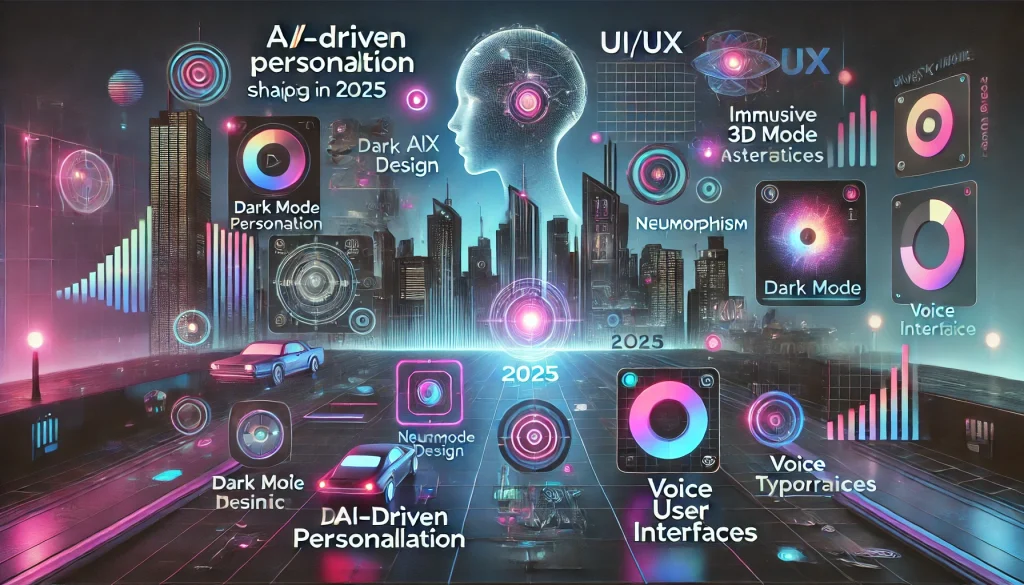
As we step into 2025, UI/UX design agency experts are witnessing rapid transformations in digital experiences. With the growing importance of user-centric designs, brands are focusing on creating intuitive, immersive, and aesthetically appealing interfaces. The integration of AI, immersive technologies, and personalization is redefining how users interact with websites and applications. In this blog, we explore the top UI/UX trends that are already shaping the web in 2025 and how they can elevate your digital presence. AI-Powered Personalization Artificial intelligence (AI) leads the charge of UI/UX innovation, allowing websites and apps to adapt to individual user behaviors. Dynamic UI Adjustments: AI-powered interfaces can modify layouts, colors, and content based on user preferences. Predictive User Experience: Machine learning anticipates user needs, offering personalized recommendations and automating interactions. Conversational AI: AI-driven chatbots and virtual assistants provide instant responses, enhancing engagement and user satisfaction. Personalization powered by AI is no longer a luxury but a necessity for businesses looking to enhance user retention. Immersive 3D and AR/VR Interfaces As hardware capabilities advance, the use of 3D elements and augmented/virtual reality (AR/VR) in UI/UX design is becoming more prevalent. Augmented Reality Shopping: E-commerce platforms integrate AR for virtual try-ons, helping customers visualize products before purchasing. 3D Web Design: Websites with interactive 3D models create engaging experiences without requiring additional applications. Virtual Reality Interfaces: Immersive VR applications enhance training simulations, real estate tours, and gaming experiences. These enhancements push digital experiences beyond static interfaces, making interactions more engaging and realistic. Dark Mode and Low-Light UI Dark mode has changed from a trend to a standard feature in modern UI/UX design. Reduces Eye Strain: Dark backgrounds reduce screen glare and improve readability in low-light environments. Enhances Aesthetics: Dark mode creates a sleek, modern appearance, making content stand out more effectively. Battery Efficiency: OLED and AMOLED screens consume less power when displaying dark themes, extending battery life for mobile users. Websites and apps are offering adaptive themes that permit users to switch between light and dark modes based on preference. Voice User Interfaces (VUI) Voice interactions are reshaping how users engage with digital platforms. Voice User Interfaces (VUI) are streamlining navigation and accessibility. Voice Search Optimization: More users rely on voice commands for search queries, making websites optimize for conversational keywords. Hands-Free Navigation: Voice commands enable touch-free interactions, enhancing accessibility. Multimodal Interfaces: Combining voice, text, and gesture controls for a more natural and intuitive experience. VUI is particularly useful in smart home devices, automotive applications, and hands-free browsing experiences. Microinteractions and Animations Subtle animations and microinteractions enhance the user experience by providing feedback and improving navigation. Button Hover Effects: Enhances engagement by visually responding to user actions. Loading Animations: Reduces perceived wait time with creative, interactive loaders. Scrolling Effects: Parallax and motion animations create depth and engagement. These small yet impactful details contribute to a more interactive and enjoyable browsing experience. Neumorphism and Soft UI Design Neumorphism is a fusion of skeuomorphism and flat design, creating soft, realistic-looking interfaces. Subtle Shadows and Highlights: Enhances depth and visual appeal. Minimalistic and Elegant Look: Focuses on simplicity while maintaining a futuristic aesthetic. User-Friendly Interaction: Buttons and elements appear pressable, improving usability. Neumorphism is gaining popularity in dashboards, mobile applications, and product landing pages. Data-driven UX and Analytics-Based Design With increased competition, businesses are leveraging data to improve user experience (UX) strategies. A/B Testing for UI Elements: Testing multiple designs to determine what works best. Heatmaps and User Behavior Analysis: Understanding user interaction patterns for better design decisions. Real-Time UX Adjustments: AI-driven platforms optimize interfaces based on real-time user actions. By utilizing analytics, brands can refine their digital experiences to maximize engagement and conversions. Hyper-Minimalism in UI As attention spans shorten, hyper-minimalism is becoming a dominant UI trend. Clutter-Free Interfaces: Eliminates unnecessary elements, focusing on essential content. Monochromatic and Pastel Color Palettes: Enhances simplicity and elegance. Bold Typography: Prioritizes readability and visual impact. Hyper-minimalism improves usability by ensuring intuitive navigation without distractions. Biometric Authentication and Enhanced Security UI Security is a growing concern, and biometric authentication is shaping UI/UX designs for better user protection. Facial Recognition and Fingerprint Scanners: Ensuring secure and seamless logins. Passwordless Authentication: Removing the need for traditional passwords with biometric security. Multi-Factor Authentication (MFA): Strengthening security layers for sensitive applications. Designing seamless yet secure authentication processes improves both UX and data protection. Sustainable and Eco-Friendly UI Design Sustainability is influencing digital design practices. Eco-friendly UI/UX trends focus on optimizing energy consumption and ethical web design. Low-Impact Color Schemes: Darker and muted tones reduce energy usage on screens. Efficient Code and Lightweight Websites: Faster-loading sites consume fewer resources. Accessibility-Focused Designs: Ensuring inclusivity for users of all abilities. Brands adopting sustainable UI practices demonstrate responsibility while enhancing digital performance. Why Choose Speed Dot 360 for UI/UX Design Services? At Speed Dot 360, we are a leading UI/UX design agency committed to crafting modern, engaging, and user-friendly digital experiences. Our proficiency ensures that your business stays ahead with the latest design trends, offering: AI-driven UI enhancements for personalized experiences. Immersive 3D and AR-based interfaces that engage users. Minimalist and accessibility-focused designs for seamless navigation. Data-backed design optimizations for maximum user retention. Partner with us to future-proof your digital presence with cutting-edge UI/UX solutions. Conclusion The UI/UX trends of 2025 are already shaping the digital landscape, emphasizing personalization, accessibility, and immersive experiences. From AI-driven interfaces to sustainable design, businesses must adapt to these trends to stay competitive. As a trusted UI/UX design agency, Speed Dot 360 helps businesses integrate these innovations into their websites and applications. Whether you’re revamping your digital platform or starting fresh, our experts ensure that your UI/UX strategy is future-proof and engaging. Stay ahead of the curve—contact Speed Dot 360 today to elevate your digital experience! Frequently Asked Questions (FAQs) What are the biggest UI/UX trends in 2025? The biggest UI/UX trends in 2025 include AI-powered personalization, immersive 3D and AR/VR interfaces, dark mode adaptation, voice user interfaces (VUI), and hyper-minimalistic design. These trends focus on creating seamless, user-friendly, and visually engaging digital experiences. How
SEO Trends That Are Already Shaping the Web in 2025
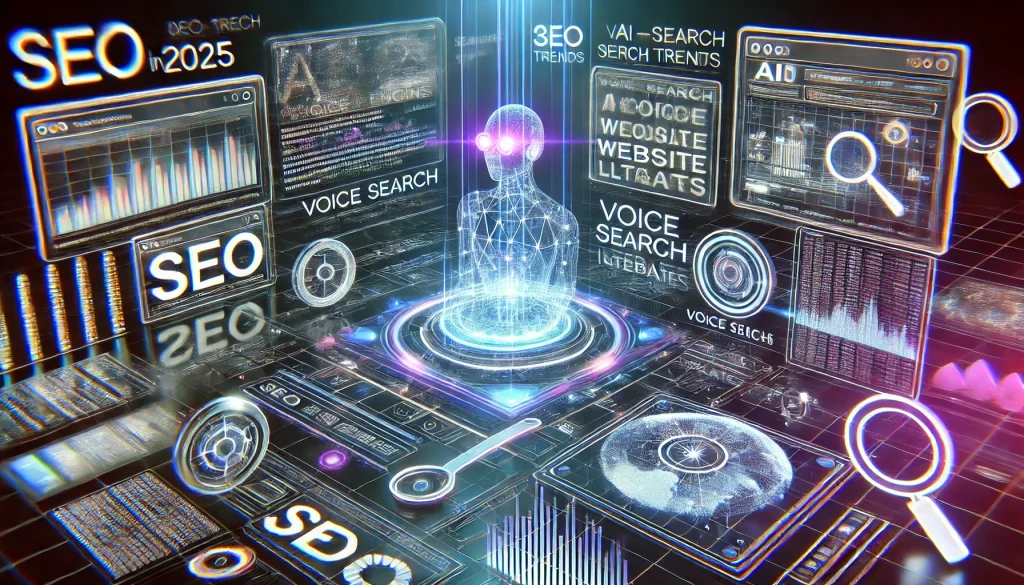
As the digital world continues evolving, SEO optimization services are no longer just about keywords and backlinks. In 2025, search engines will prioritize user experience, AI-driven content, and personalized search results. Businesses must stay ahead by implementing the latest SEO trends to maintain visibility and competitiveness. In this blog, we’ll explore the most impactful SEO trends shaping the web in 2025 and how you can leverage them to boost your rankings. AI and Machine Learning in SEO Artificial Intelligence (AI) and machine learning are reestablishing how search engines rank content. Google’s AI Algorithms: Google’s RankBrain and MUM (Multitask Unified Model) enhance search intent recognition. AI Content Optimization: Tools like Surfer SEO and Clearscope help refine content based on search patterns. Chatbots & Virtual Assistants: AI-powered assistants improve user engagement and dwell time. With AI-driven insights, businesses can refine content strategies and enhance website rankings. Voice Search Optimization Voice searches continue to grow, making it crucial to adapt SEO strategies for conversational queries. Long-Tail Keywords: Focus on natural, question-based phrases (e.g., “What are the best SEO practices for 2025?”). Featured Snippets: Optimizing for snippets increases the chances of voice search visibility. Local SEO Focus: Many voice searches are location-based, making local SEO agency services essential. As intelligent assistants become more prevalent, businesses must ensure their content aligns with voice search trends. E-E-A-T and Content Authority Google’s E-E-A-T (Experience, Expertise, Authoritativeness, Trustworthiness) framework plays a significant role in rankings. Expert-Driven Content: Well-researched and authoritative content ranks higher. High-Quality Backlinks: Off-page SEO solutions improve credibility. Transparent Authorship: Featuring credible authors and citations enhances trust. Incorporating E-E-A-T principles helps establish long-term authority in search results. Video SEO and Visual Search With platforms like YouTube, TikTok, and Google Lens, optimizing multimedia content is crucial. Video Transcriptions: Adding transcripts improves search visibility. Optimized Thumbnails & Metadata: Engaging visuals increase click-through rates. Alt Text for Images: Enhances accessibility and technical SEO audit effectiveness. Leveraging visual search trends helps brands reach a broader audience through multiple search formats. Zero-Click Searches and SERP Features Zero-click searches—a new feature that allows users to get answers directly from the search page—are rising. Featured Snippets: Optimizing for question-based searches increases SERP prominence. People Also Ask (PAA): Addressing common queries enhances content discoverability. Rich Snippets & Schema Markup: Improves structured data interpretation by search engines. Businesses must adapt their SEO strategies to align with Google’s evolving SERP landscape. Mobile-First Indexing and Page Experience Google prioritizes mobile-first indexing, emphasizing page speed and user experience. Responsive Design: Mobile-friendly sites improve ranking performance. Core Web Vitals: Metrics like Largest Contentful Paint (LCP) impact SEO rankings. Accelerated Mobile Pages (AMP): Enhancing mobile loading speeds boosts engagement. Ensuring mobile-first optimization is key to staying competitive in 2025. Programmatic SEO and Automated Content Scaling Brands leverage automation to scale their SEO efforts efficiently. AI-Generated Content: Enhances large-scale article creation. Automated Internal Linking: AI tools streamline website structure. Data-Driven Keyword Research: AI-powered keyword research services refine content strategies. Automating SEO processes allows businesses to scale content without sacrificing quality. Local SEO and Hyper-Personalization With personalized search results, local businesses must optimize for hyper-local SEO. Google My Business Optimization: Keeps listings updated for local searches. Localized Keywords: Using geo-specific terms improves visibility. Customer Reviews & Citations: Enhances local credibility. A local SEO agency ensures businesses remain visible in location-based searches. Sustainable and Ethical SEO Practices Google is prioritizing sustainability and ethical SEO tactics. Eco-Friendly Hosting: Websites with green certifications gain preference. User Privacy Compliance: Adhering to GDPR and CCPA regulations builds trust. Long-Term SEO Strategies: Avoiding black-hat techniques ensures stable rankings. Brands focusing on ethical SEO gain long-term credibility and ranking stability. The Rise of Web3 and Decentralized SEO Web3 is reshaping how digital content is accessed and ranked. Blockchain-Verified Content: Reduces misinformation and enhances credibility. Decentralized Search Engines: Alternative search engines challenge Google’s dominance. NFT & Crypto SEO Strategies: Emerging trends in blockchain-based marketing. Keeping up with Web3 advancements ensures businesses stay ahead in the evolving digital ecosystem. Why Choose Speed Dot 360 for SEO Services? At Speed Dot 360, we are a leading SEO optimization services provider, offering: AI-powered keyword research services for precision targeting. Local SEO agency solutions to enhance visibility in location-based searches. On-page SEO strategies that align with Google’s latest algorithms. Technical SEO audits to optimize website performance. Off-page SEO solutions that boost domain authority. Our expertise ensures that businesses stay ahead in the evolving SEO landscape. Conclusion SEO in 2025 is defined by AI-driven personalization, mobile-first indexing, and ethical search strategies. Businesses must adapt to technical SEO audit requirements, focus on high-quality content, and embrace automation for long-term success. At Speed Dot 360, we help businesses implement cutting-edge SEO strategies, ensuring they stay visible and competitive in search results. Whether you need on-page SEO strategies or off-page SEO solutions, our team delivers results-driven SEO optimization services. Ready to future-proof your SEO strategy? Contact Speed Dot 360 today! Frequently Asked Questions (FAQs) What are the most important SEO trends in 2025? The key SEO trends in 2025 include AI-driven content optimization, voice search readiness, mobile-first indexing, zero-click searches, and the importance of E-E-A-T (Experience, Expertise, Authoritativeness, Trustworthiness). Businesses should focus on user experience and structured data to stay ahead. How does AI impact SEO strategies? AI plays a pivotal role in monitoring user intent, automating content optimization, and improving search rankings. Tools like Google’s RankBrain and MUM help refine search results, while AI-driven content tools assist in creating high-quality, relevant content. Why is local SEO more important than ever in 2025? With hyper-personalized search results, businesses need to optimize for local searches. Updating Google My Business profiles, gathering customer reviews, and using geo-targeted keywords are essential for improving local search rankings and visibility. How can businesses prepare for zero-click searches? To optimize for zero-click searches, businesses should target featured snippets, use structured data markup, and answer commonly searched questions concisely. Appearing in Google’s “People Also Ask” section can also increase visibility. What are the benefits of a technical SEO audit? A technical SEO audit helps
How E-commerce Is Like In 2025 | Current Trends & Insights
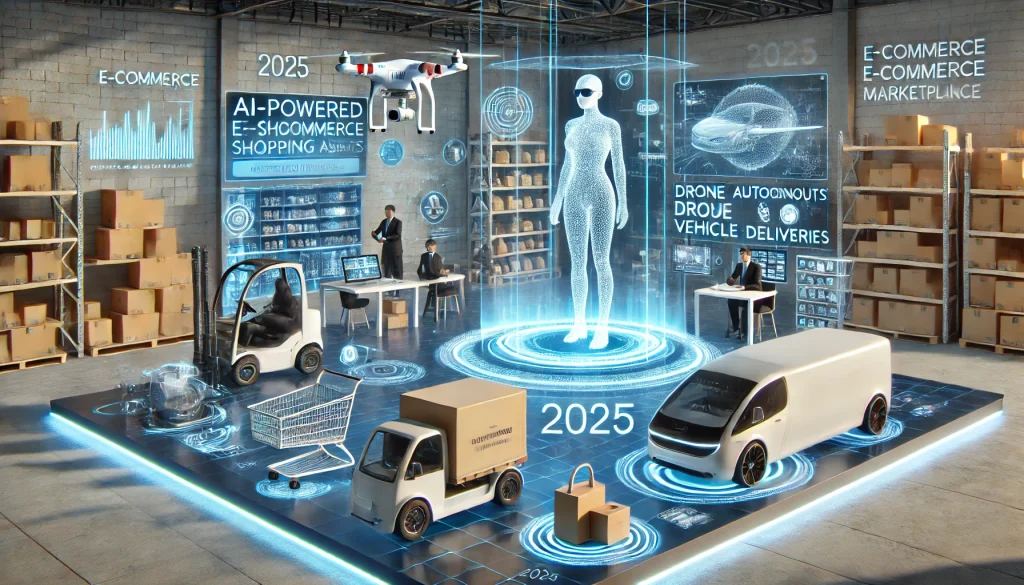
Technology is rapidly evolving, and the way e-commerce businesses operate is changing unprecedentedly. By 2025, companies that leverage the latest digital strategies will have a competitive edge. With advancements in ecommerce website design, automation, AI-driven analytics, and sustainability, online retail is transforming to meet growing consumer expectations. We understand the cruciality of staying ahead in this rapidly changing industry. This guide explores the latest e-commerce trends, platform developments, and insights that will shape online retail in 2025 and beyond. What is the Future of E-commerce in 2025? By 2025, the efficiency and speed of e-commerce operations will heavily depend on supply chain innovations. Integrating AI, automation, and drones into logistics ensures faster deliveries, better inventory management, and sustainable business practices. Key Innovations Driving E-commerce in 2025: AI and Machine Learning: Personalized recommendations, predictive analytics, and chatbot assistance enhance the shopping experience. Sustainable Logistics: Green supply chains, electric delivery vehicles, and eco-friendly packaging reduce the environmental impact. Faster Fulfillment: Drone deliveries and automated warehouses ensure speed and accuracy in order processing. Enhanced Security: Blockchain technology secures online transactions, reducing fraud risks. As technology goes further ahead, businesses must adapt to stay competitive, ensuring seamless shopping experiences through custom eCommerce solutions and streamlined operations. What is the Future Scope of E-commerce? E-commerce is predicted to continue its rapid growth, presenting immense opportunities for businesses that innovate and adapt. Growth Potential: In 2023, e-commerce accounted for over 19% of global retail sales. By 2027, this number is projected to surpass 24% of total global retail sales. E-commerce sales are forecasted to exceed $8 trillion by 2027. Factors Driving E-commerce Growth: Increased Internet Access: More consumers are shopping online due to widespread internet connectivity and smartphone penetration. Advancements in Technology: AI-driven customer experiences, voice commerce, and automation are enhancing online shopping. Global Circumstances: The COVID-19 pandemic accelerated e-commerce adoption, making digital shopping the norm. Seamless Payment Options: With better payment gateway integration, businesses can offer more flexible, secure, and convenient payment solutions. Businesses that leverage these opportunities will thrive in the evolving e-commerce landscape. According to BigCommerce, e-commerce success in 2025 will be shaped by digital transformation, data-driven strategies, and seamless customer experiences, making it essential for businesses to adapt to cutting-edge technologies and consumer expectations. 10 E-commerce Trends for 2025 & Beyond E-commerce is undergoing significant changes, and these seven trends will define its future: 1. AI-Driven Personalization Machine learning and AI will continue to enhance customer experiences by offering tailored product recommendations, dynamic pricing, and chatbot support. 2. Augmented Reality (AR) Shopping Consumers can visualize products in real-world settings before making purchases, reducing return rates and boosting buyer confidence. 3. Voice Commerce Growth Smart assistants like Alexa and Google Assistant will drive more voice-activated purchases, making shopping more accessible and convenient. 4. Livestream Shopping Interactive live-streamed product showcases will dominate social commerce, allowing customers to buy instantly while engaging with hosts in real time. 5. Subscription-Based Models More businesses will offer curated subscription boxes and automated replenishments, creating steady revenue streams and boosting customer loyalty. 6. Cryptocurrency and Blockchain Transactions Secure, decentralized payments will gain popularity, offering fast and fraud-resistant transactions for global e-commerce platforms. 7. Sustainability and Ethical Shopping Consumers are prioritizing brands that use eco-friendly packaging, carbon-neutral shipping, and fair-trade products. 8. Social Commerce Expansion Social media platforms are becoming key sales channels. Businesses are leveraging Instagram, TikTok, and Facebook Shops to drive direct purchases and enhance customer engagement. 9. Hyper-Personalized Marketing Advanced AI tools enable hyper-personalized email marketing, push notifications, and dynamic website content to cater to individual customer preferences in real time. 10. Faster and Smarter Checkout Experiences With payment gateway integration advancements, one-click checkouts, biometric payments, and digital wallets will make online shopping faster, reducing cart abandonment rates. By integrating these trends into their strategies, businesses can stay robust and cater to the evolving demands of digital consumers. Top 3 E-commerce Platforms That Are Booming in 2025 Picking the right e-commerce platform is essential for business success. In 2025, these three platforms are leading the industry: 1. Shopify With its robust Shopify development services, this platform remains a top choice for small to medium-sized businesses, offering ease of use, powerful integrations, and scalable solutions. 2. WooCommerce For businesses that prefer a customizable approach, WooCommerce development provides flexibility, allowing users to build feature-rich online stores on WordPress. 3. Magento Enterprises seeking advanced scalability opt for Magento website development, benefiting from its high-performance architecture and extensive third-party integrations. Each platform offers unique advantages, making it crucial for businesses to select one that aligns with their growth strategy and online store design needs. Why Partnering with Speed Dot 360 Gives You a Competitive Edge At Speed Dot 360, we specialize in helping businesses establish and grow their e-commerce presence with expert ecommerce website design and custom eCommerce solutions. Our proficiency ensures that your online store is optimized for performance, security, and customer engagement. Why Choose Us? Seamless Shopify Development Services: Build a high-converting store with advanced integrations. WooCommerce Development Expertise: Customize your WordPress e-commerce store for maximum flexibility. Magento Website Development Solutions: Create scalable and powerful enterprise-level stores. Efficient Payment Gateway Integration: Provide your customers with smooth, secure, and multiple payment options. Innovative Online Store Design: Craft visually appealing, user-friendly storefronts that boost conversions. Partner with us to future-proof your e-commerce business and stay ahead of industry trends. Conclusion The e-commerce landscape in 2025 is defined by AI-driven personalization, seamless customer experiences, and sustainability-focused innovations. Businesses that embrace these trends, leverage the right platforms, and optimize their online presence will thrive in the competitive digital market. With Speed Dot 360’s expertise in custom eCommerce solutions, payment gateway integration, and ecommerce website design, we help brands scale and succeed in the fast-evolving world of online retail. Get in touch with us today and take your e-commerce business to the next level!
How SEO & AEO Can Accelerate Your Organic Traffic
In today’s digital landscape, businesses must go beyond traditional SEO techniques to gain visibility. While SEO optimization services remain essential, the rise of Answer Engine Optimization (AEO) is reshaping how search engines deliver results. AEO focuses on optimizing content for direct answers, voice searches, and AI-driven queries, ensuring that businesses rank effectively in search results and gain organic traffic. At Speed Dot 360, we stay ahead of evolving search trends by implementing cutting-edge on-page SEO strategies and AEO techniques to boost visibility. In this blog, we’ll explore how integrating AEO with SEO can supercharge your organic traffic and help your brand thrive. What is Answer Engine Optimization (AEO)? AEO is a strategy designed to optimize content for search engines that prioritize direct answers, such as Google’s Featured Snippets, Knowledge Panels, and AI-driven assistants like Siri and Alexa. Unlike traditional SEO, which focuses on ranking for keywords, AEO ensures that your content directly answers user queries in a structured and concise format. Key Components of AEO: Structured Data Markup: Structured data markup allows search engines to understand the content better, improving the chances of appearing in rich results. Question-Based Content: Optimizing for “how-to,” “what is,” and “best” queries enhances answerability. Voice Search Optimization: As voice searches increase, content should be conversational and formatted for spoken queries. Fast Page Load Speed: Search engines prioritize sites with optimal performance and user experience. Mobile Optimization: With most searches occurring on mobile devices, ensuring a mobile-friendly website is critical for ranking. Content Depth and Readability: AEO requires content that is both informative and easy to digest, making clarity and organization essential. By leveraging AEO alongside on-page SEO strategies, businesses can achieve higher rankings and improved discoverability. The Synergy Between SEO & AEO While SEO and AEO share similarities, they serve distinct purposes. SEO enhances visibility across traditional search results, whereas AEO ensures that your content is optimized for AI-driven searches and instant answers. How AEO Complements SEO: Keyword Optimization vs. Answer Optimization: SEO targets search terms, while AEO focuses on structuring content to provide instant answers. SERP Presence: SEO improves rankings, whereas AEO enhances visibility in featured snippets and AI-powered search assistants. Technical SEO Audit & Schema Implementation: SEO includes site audits, while AEO relies heavily on structured data to enhance understanding. Behavioral Insights: SEO tracks user behavior through analytics, whereas AEO prioritizes engagement by ensuring users find the right answers quickly. For businesses to maximize their organic reach, integrating off-page SEO solutions with AEO best practices is key. 10 Ways to Implement AEO & SEO for Maximum Organic Traffic 1. Optimize for Featured Snippets Google’s Featured Snippets display concise answers at the top of search results. Structure your content with clear, scannable headings, bullet points, and well-defined paragraphs to increase snippet chances. 2. Improve Website Structure with Technical SEO A well-structured website enhances both SEO and AEO. Conducting a technical SEO audit ensures that your site is crawlable, mobile-friendly, and free of indexing errors. 3. Create Question-Based Content Develop content that answers common user queries. Use tools like “People Also Ask” and AI-driven keyword research to align with AEO-focused search trends. 4. Implement Schema Markup Structured data assists search engines in comprehending content contextually. Use schema markup to enhance product descriptions, FAQs, and local SEO results. 5. Enhance Page Speed & UX Google prioritizes websites with fast loading speeds. Compress images, enable browser caching, and optimize code to improve user experience. 6. Focus on Voice Search Optimization With voice assistants on the rise, content should be conversational and concise. Short, direct responses improve the likelihood of ranking in voice search queries. 7. Build High-Quality Backlinks A strong off-page SEO solution involves acquiring authoritative backlinks. Guest blogging, influencer collaborations, and digital PR help boost credibility and domain authority. 8. Enhance Local SEO for Better Visibility Local businesses can benefit from AEO by optimizing their Google My Business profile, local citations, and customer reviews to appear in “near me” searches. 9. Optimize for Zero-Click Searches Many searches now result in answers without users clicking through to websites. Creating content that aligns with zero-click searches ensures brand visibility despite this trend. 10. Leverage AI-Generated Insights for SEO Machine learning and AI-driven analytics provide deeper insights into search trends, allowing businesses to adjust their strategies in real time to remain competitive. By incorporating these tactics, businesses can achieve sustainable organic traffic growth and long-term digital success. The Future of SEO & AEO Search engines are rapidly evolving, integrating AI and machine learning to improve search results. Future-proofing your strategy requires the following: AI-Driven Content Creation: Automated tools that generate user-intent-based content. Entity-Based SEO: Focusing on topic clusters rather than individual keywords. Zero-Click Searches: Optimizing for Google’s no-click results ensures brand visibility even without direct website visits. Conversational AI Integration: Businesses that adopt AI-powered chat interfaces and automated customer support can enhance engagement and user satisfaction. Multimodal Search Optimization: Optimizing for a combination of text, image, and voice searches ensures broader reach across different user behaviors. Businesses that stay miles ahead of these trends are likely to have a leg up and skyrocket in search rankings and organic traffic acquisition. Ongoing Challenges for AEO One thing is certain with Google and other search engines like Bing: they are in a constant state of evolution. As AI-driven search models become more prevalent, search algorithms continuously shift, making AEO strategies unpredictable. What works today to secure a spot in Google’s Featured Snippets or voice search results may become obsolete with the next algorithm update. Additionally, competition among businesses for prime SERP positions remains fierce. With advancements in AI-generated content and machine learning, brands must constantly refine their on-page SEO strategies and optimize structured data to maintain visibility. This dynamic environment makes it essential for businesses to stay alert to the trends and adjust their AEO tactics accordingly. Conclusion SEO and AEO are no longer separate strategies—they work hand in hand to maximize organic reach. While SEO optimization services focus on rankings, AEO ensures content is easily accessible for AI-driven searches