
How Much Do Ads Cost in 2025?

In the flustering world of inflation, businesses can oversee a considerable difference in online advertisement, and as 2025 unfolds, businesses must adapt to new pricing models, trends, and bidding strategies. Whether you’re running PPC advertising management, leveraging social media management, or investing in Facebook ad campaigns, understanding ad costs is crucial for maximizing returns. But how much does advertising actually cost in 2025? Are prices going up, or are there ways to optimize spending? In this article, we’ll break down the latest ad pricing trends across different platforms, analyze the key factors driving these costs, and offer insights on how businesses can effectively allocate their marketing budgets. The Evolution of Digital Advertising Costs The cost of advertising is never static. It fluctuates due to platform competition, consumer behavior, economic conditions, and even technological advancements. Here’s what’s shaping ad prices in 2025: These factors create a complex pricing environment where advertisers must be strategic with their spending. Google Ads Costs in 2025 Google remains the largest digital advertising platform, but costs vary based on industry, competition, and ad format. What Influences Google Ads Pricing? To control expenses, businesses should work with a content marketing agency to improve landing page relevance and Quality Scores. Facebook & Instagram Ads Costs in 2025 Meta’s platforms (Facebook & Instagram) remain essential for digital marketing, with costs rising due to increased competition and evolving targeting options. Key Pricing Factors for Facebook Ads: Advertisers investing in Facebook ad campaigns should prioritize creative testing and audience segmentation to improve ROI. LinkedIn Ad Costs in 2025 For B2B businesses, LinkedIn is a go-to platform, but it remains one of the most expensive advertising options. Given LinkedIn’s higher costs, B2B companies should focus on email marketing campaigns and retargeting strategies to complement LinkedIn ads and reduce spending. TikTok & YouTube Ad Costs in 2025 Video-based platforms continue to dominate digital advertising. TikTok Ads YouTube Ads Short-form videos outperform static ads, making social media management critical for brands looking to boost engagement and ad efficiency. Email Advertising Costs in 2025 While many businesses overlook email marketing, it remains a highly profitable channel. Email marketing campaigns provide an affordable way to nurture leads and drive conversions without relying on expensive paid ads. What Drives Advertising Costs in 2025? Several key factors influence digital advertising expenses: 1. Industry Competition Certain industries (e.g., legal, finance, SaaS) see higher CPCs due to fierce competition. 2. Bidding Strategies Automated bidding increases efficiency but can also drive up costs if not monitored. 3. Ad Relevance & Quality A strong Quality Score (Google) or Relevance Score (Facebook) can lower costs significantly. 4. Audience Targeting Narrower targeting typically increases costs but improves conversion rates. 5. Ad Format & Placement By combining keyword research services with data-driven strategies, brands can optimize ad performance and spending. How to Lower Your Ad Costs in 2025 Want to make the most of your advertising budget? Here are some proven strategies: The Future of Ad Pricing Beyond 2025 As AI-driven ad platforms evolve, costs will continue to shift. Key trends to watch: Advertisers who adapt to these trends will be better positioned for cost-effective success. Conclusion Advertising costs in 2025 will continue to rise, but businesses that optimize their strategies can still achieve strong ROI. By staying informed and leveraging data-driven insights, brands can allocate their budgets efficiently and maximize their advertising impact in 2025.
Revolutionizing Social Media Advertising Trends of 2025
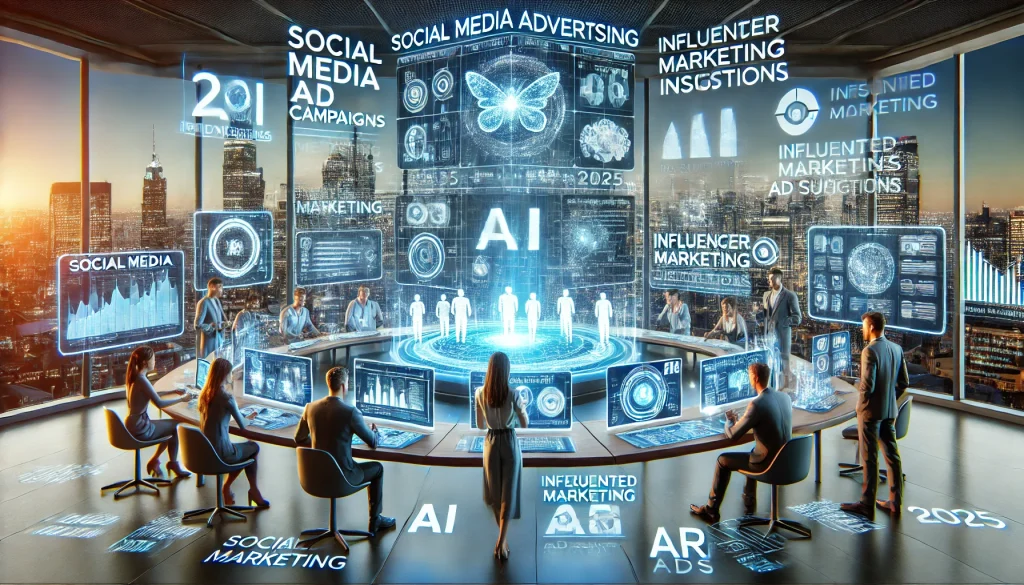
Social media advertising is evolving faster than ever, with platforms introducing innovative features, AI-driven insights, and advanced targeting capabilities. As businesses strive to stay ahead, mastering the latest social media strategy development trends will be crucial for success in 2025. In this blog, we’ll explore the biggest social media advertising trends shaping 2025 and how businesses can optimize their digital marketing strategies. AI and Automation: The Future of Social Media Advertising AI is transforming paid social media advertising, enabling businesses to optimize targeting, content creation, and audience engagement. Rather than relying on traditional methods, AI-driven automation now personalizes ad experiences, predicts user behavior, and streamlines the ad placement process. Artificial Intelligence (AI) is revolutionizing paid social media advertising by enhancing targeting accuracy, optimizing ad delivery, and personalizing user experiences. Key AI-driven trends include: Automated Ad Creation: AI-generated ad copies and visuals tailored to audience preferences. Predictive Analytics: AI forecasts user behavior, improving ad targeting and conversions. Chatbot Integration: AI-powered chatbots facilitate instant interactions and customer engagement. Brands that integrate AI into their advertising strategies will have a competitive edge by improving efficiency and audience engagement. Video Content Continues to Dominate Short-form videos, interactive live streams, and immersive content remain at the front of social media strategy development. Platforms like Instagram Reels, TikTok, and YouTube Shorts provide businesses with an engaging way to showcase products, tell brand stories, and foster audience interaction. With platforms like TikTok, Instagram Reels, and YouTube Shorts leading the way, short-form videos continue to dominate social media management strategies. In 2025, businesses should focus on: Engaging, high-quality content that captures attention within the first few seconds. Shoppable videos that permit users to purchase directly from the platform. Interactive elements like polls, Q&A, and live shopping events to enhance engagement. Short-form videos provide an authentic way for brands to collaborate with their audience and drive conversions. The Emergence of AR, VR, and the Metaverse With the growing popularity of AR and VR experiences, brands are using these technologies to create interactive advertising campaigns. From virtual try-ons to immersive shopping experiences, AR and VR are redefining consumer engagement on social media platforms. AR and VR are transforming how brands interact with consumers, making advertising more immersive and interactive. Key trends include: AR Filters & Try-On Features: Users can visualize products before purchasing (e.g., virtual makeup try-ons). VR Shopping Experiences: Brands create virtual storefronts for customers to discover products in a digital space. Interactive 3D Ads: Engaging ad formats that enhance user experiences on platforms like Instagram and Snapchat. As AR/VR adoption increases, businesses incorporating these technologies into their advertising strategies will see higher engagement and conversion rates. Hyper-Personalization in Advertising Personalized advertising will reach new heights in 2025, driven by AI and data analytics. Key developments include: Dynamic Content Customization: Ads tailored to individual preferences, behaviors, and demographics. User-Generated Content Integration: Leveraging customer testimonials and influencer content for more authentic promotions. Predictive Retargeting: AI analyzes browsing patterns to serve hyper-relevant ads. Consumers now expect highly personalized experiences, making this trend essential for boosting engagement and ROI. Social Commerce Becomes the New Norm The incorporation of e-commerce into social media platforms is revolutionizing online shopping. Platforms like Instagram, TikTok, and Facebook allow users to browse and purchase products seamlessly, making social media management a key component of sales-driven strategies. Social commerce is redefining online shopping by merging e-commerce with social media platforms. Notable trends include: One-Click Purchases: Seamless checkout experiences within social apps. Livestream Shopping: Real-time product demonstrations with instant purchasing options. AI-Powered Recommendations: Personalized product suggestions in accordance with user interactions. Brands leveraging Instagram marketing services and Facebook Shops will capitalize on social commerce trends in 2025. Increased Focus on Privacy and Ethical Advertising With rising concerns over data privacy, brands must adapt to new regulations and ethical advertising standards. Important developments include: Cookie-Less Targeting: Shifting from third-party cookies to first-party data and contextual targeting. Transparent Advertising Practices: Clearly communicating data usage policies to users. Ethical AI in Advertising: Ensuring AI-generated content is unbiased and respects user privacy. Brands prioritizing privacy-compliant advertising strategies will build trust and maintain customer loyalty. Redefining Influencer Marketing in 2025 Influencer partnerships are evolving beyond traditional collaborations. Brands now prioritize micro-influencers, AI-driven influencer selection, and performance-based contracts to ensure more meaningful engagement and tangible ROI. Influencer marketing continues to grow, but in 2025, authenticity and niche collaborations will take center stage. Key shifts include: Micro and Nano Influencers: Smaller influencers with highly engaged audiences drive more authentic interactions. AI-Powered Influencer Matching: AI tools connect brands with the most suitable influencers. Performance-Based Partnerships: Brands focus on measurable ROI rather than follower count. Businesses that refine their influencer marketing strategies will see higher engagement and conversion rates. Audio Advertising on Social Media With the dynamic surge of podcasts and audio-based platforms, social media audio advertising is gaining traction. Popular trends include: Voice Search Optimization: Ads optimized for voice search queries. Interactive Audio Ads: Engaging audio experiences with call-to-action prompts. Podcast Sponsorships: Brands collaborating with podcasters to reach niche audiences. Incorporating audio ads into social media strategy development ensures a well-rounded marketing approach in 2025. Cross-Platform Integration As users engage with multiple platforms, brands need a cohesive cross-platform advertising strategy. Key considerations include: Consistent Branding Across Channels: Unified messaging across Facebook, Instagram, TikTok, and LinkedIn. Omnichannel Marketing Strategies: Seamless experiences across social media, email, and websites. Automated Content Scheduling: AI-powered scheduling tools for optimized posting times. Cross-platform integration enhances brand visibility and strengthens audience engagement. Diversification of Social Media Ad Platforms While Facebook remains a powerful advertising channel, brands are shifting towards a multi-platform approach, investing in LinkedIn ads for B2B marketing, TikTok for younger audiences, and emerging social networks for niche markets. Facebook remains a leading force in social media advertising, but platforms like TikTok, LinkedIn, and emerging networks are reshaping digital marketing. Future trends include: AI-Powered Facebook Ad Optimization: Automated bidding and audience segmentation. LinkedIn B2B Advertising Growth: Increased investments in professional networking ads. TikTok’s Continued Expansion: Short-form video advertising innovations. Brands that diversify
How Speed Dot 360 Optimizes Your Home Service Website For SEO?
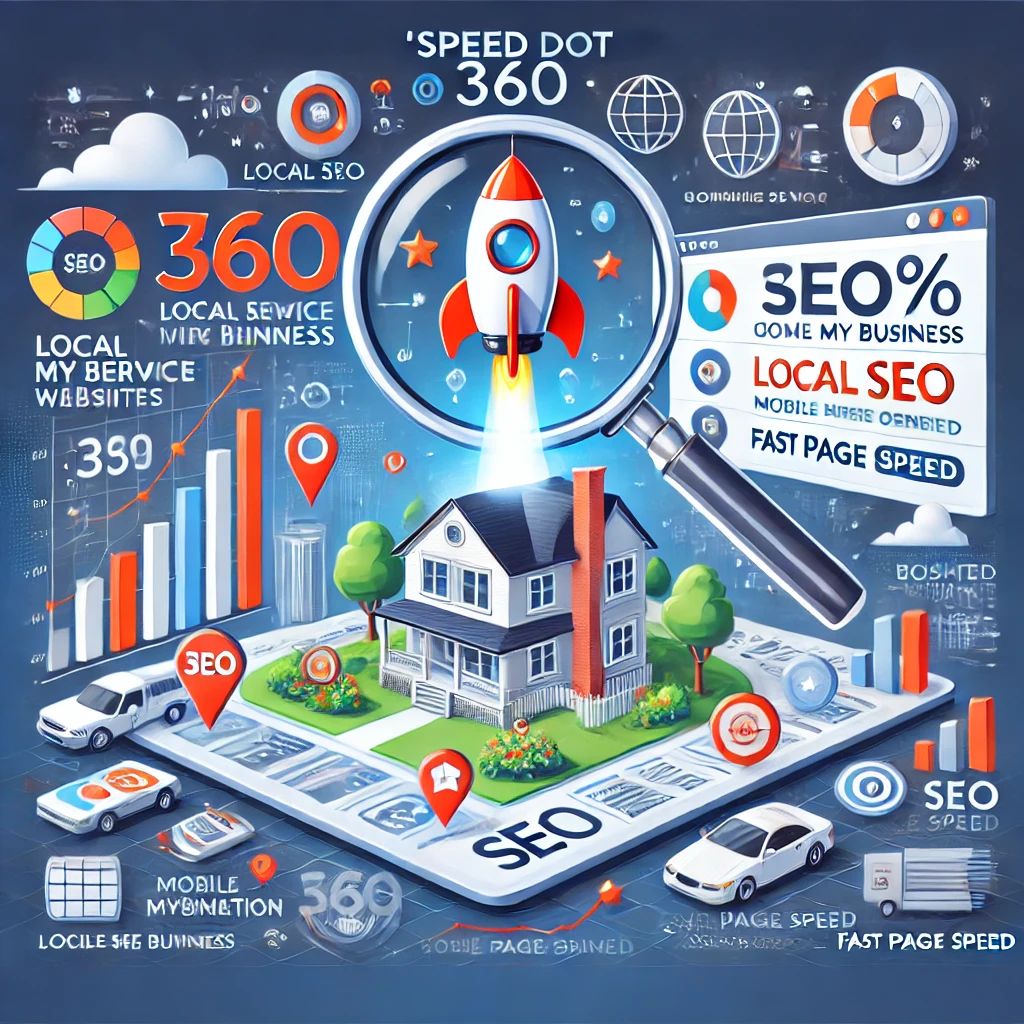
In today’s digital landscape, having a well-optimized website is crucial for home service businesses to attract local prospects and stay ahead of the competition. Speed Dot 360 specializes in SEO optimization services, helping home service providers increase their online visibility, improve search rankings, and drive more leads. With expertise in local SEO agency strategies, on-page SEO strategies, and technical SEO audits, we ensure that your website is completely optimized for search engines and potential customers. In this blog, we’ll explore how Speed Dot 360 enhances your home service website’s SEO to maximize growth. Understanding the Importance of SEO for Home Service Businesses SEO is essential for home service businesses because: Increased Local Visibility: Local searches drive high-intent customers who need immediate services. Higher Conversion Rates: Optimized websites attract quality leads who are ready to hire. Competitive Edge: SEO helps you outrank competitors and appear in top search results. Speed Dot 360 ensures your business stands out in search engine rankings, connecting you with the right audience at the right time. Local SEO Strategies for Maximum Reach Local SEO is a game-changer for home service businesses targeting specific geographic areas. Our local SEO agency services include the following: Google My Business Optimization: Ensuring your GMB profile is complete, accurate, and optimized for local searches. Local Citations and Directories: Listing your business on top platforms like Yelp, Angi, and HomeAdvisor. NAP Consistency: Maintaining accurate Name, Address, and Phone Number across all online listings. Customer Reviews & Ratings: Encouraging satisfied customers to leave positive reviews to boost credibility. By implementing these strategies, Speed Dot 360 helps you dominate local search results and attract high-intent customers. On-Page SEO Enhancements Our on-page SEO strategies improve your website’s structure, content, and usability to enhance search engine rankings. Key optimizations include: Keyword Optimization: Researching and incorporating relevant home service keywords for better ranking. Content Creation & Blogging: Publishing informative blog posts that target common customer queries. Meta Tags & Headers: Optimizing title tags, meta descriptions, and header tags for search engines. Internal Linking: Strengthening website navigation and linking to relevant service pages. These tactics improve user experience and increase your chances of ranking higher on Google. Off-Page SEO Solutions for Greater Authority A strong off-page SEO strategy helps establish credibility and authority for your home service business. Our off-page SEO solutions include: High-Quality Backlinks: Acquiring links from reputable home service websites and local directories. Guest Blogging & Outreach: Collaborating with industry blogs and influencers to expand reach. Social Media Engagement: Enhancing brand awareness through strategic social media marketing. Local Link Building: Connecting with local businesses to gain trust and referral traffic. By building a strong online presence outside your website, Speed Dot 360 increases your brand’s credibility and search engine authority. Technical SEO Audits & Website Optimization A well-functioning website is essential for ranking well on search engines. Our technical SEO audit services include: Mobile-Friendly Design: Certifying your site is responsive and optimized for mobile users. Page Speed Optimization: Reducing load times to enhance user experience and SEO performance. Secure HTTPS Implementation: Ensuring your site is secure and trustworthy. Schema Markup & Structured Data: Enhancing search engine understanding for better visibility in rich results. Fixing Broken Links & Errors: Addressing crawl issues and enhancing site functionality. With a thorough SEO audit, we monitor and find solutions to technical issues that may be hindering your website’s performance. Content Marketing for Home Service Websites High-quality content is the groundwork of any successful SEO strategy. Speed Dot 360 offers content marketing solutions such as: Service Page Optimization: Crafting compelling service descriptions that highlight expertise. FAQ Sections: Answering common customer queries to improve engagement and ranking for voice searches. How-to Guides & Tutorials: Providing valuable insights on home repairs, maintenance tips, and industry best practices. Video Content: Leveraging video marketing to increase engagement and conversion rates. By tailoring informative and engaging content, we help position your business as an industry leader. Conversion Rate Optimization (CRO) for More Leads Needless to say, SEO is not about ranking higher; it’s also about converting visitors into customers. Our CRO strategies include: Optimized Call-to-Action (CTA) Buttons: Encouraging users to contact, schedule, or request a quote. Easy-to-Navigate Website Layouts: Ensuring seamless user experience and accessibility. Trust Signals & Testimonials: Showcasing client reviews and industry certifications to build credibility. Live Chat & Inquiry Forms: Providing instant assistance and capturing leads effectively. By fine-tuning website elements, we increase conversions and maximize ROI for home service businesses. Tracking & Analytics for SEO Success Measuring SEO success is key to refining strategies and achieving better results. We use: Google Analytics & Search Console: Monitoring traffic, user behavior, and performance metrics. Keyword Ranking Reports: Tracking keyword positions and making necessary adjustments. Heatmaps & User Behavior Analysis: Understanding how visitors interact with your site. Monthly Performance Reviews: Providing insights and recommendations for continuous improvement. With data-driven insights, we ensure ongoing SEO success for your business. Why Choose Speed Dot 360 for Home Service SEO? At Speed Dot 360, we take a tailored approach to SEO optimization services for home service businesses. Our expertise includes: Comprehensive Local SEO Strategies to enhance visibility in your service area. Proven On-Page & Off-Page SEO Techniques to improve rankings and brand authority. Advanced Technical SEO Audits to ensure a seamless website experience. Custom Content Marketing Solutions to engage and convert visitors into customers. Our SEO blueprint is designed to drive long-term results, assisting you to stay competitive. Conclusion Optimizing your home service website for SEO is essential for increasing visibility, generating leads, and growing your business. At Speed Dot 360, we provide comprehensive local SEO agency services, on-page SEO strategies, off-page SEO solutions, and technical SEO audits to help you dominate search results. Ready to take your home service business to the next level? Contact Speed Dot 360 today for expert SEO solutions!
UI/UX Trends That Are Already Shaping the Web in 2025
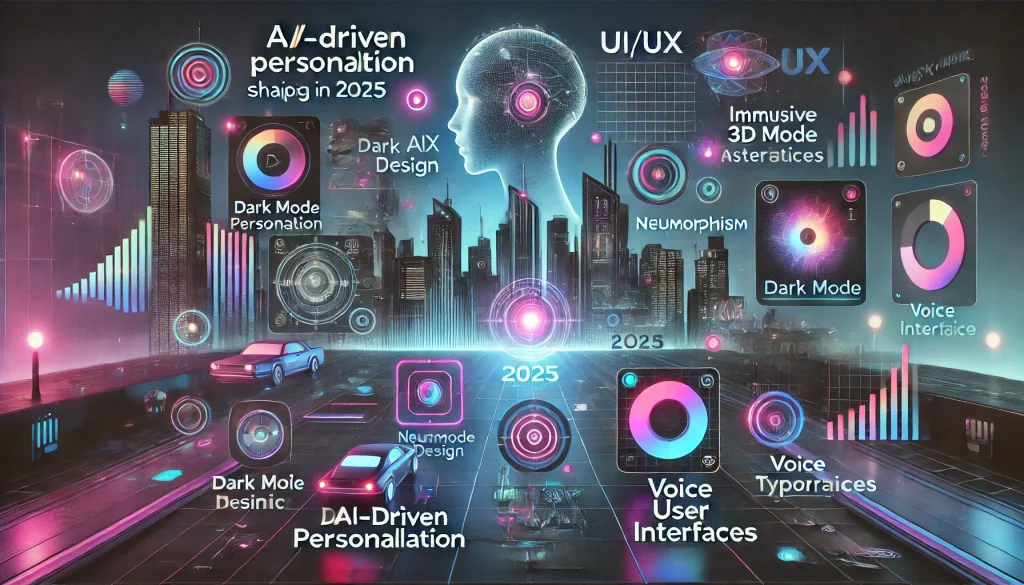
As we step into 2025, UI/UX design agency experts are witnessing rapid transformations in digital experiences. With the growing importance of user-centric designs, brands are focusing on creating intuitive, immersive, and aesthetically appealing interfaces. The integration of AI, immersive technologies, and personalization is redefining how users interact with websites and applications. In this blog, we explore the top UI/UX trends that are already shaping the web in 2025 and how they can elevate your digital presence. AI-Powered Personalization Artificial intelligence (AI) leads the charge of UI/UX innovation, allowing websites and apps to adapt to individual user behaviors. Dynamic UI Adjustments: AI-powered interfaces can modify layouts, colors, and content based on user preferences. Predictive User Experience: Machine learning anticipates user needs, offering personalized recommendations and automating interactions. Conversational AI: AI-driven chatbots and virtual assistants provide instant responses, enhancing engagement and user satisfaction. Personalization powered by AI is no longer a luxury but a necessity for businesses looking to enhance user retention. Immersive 3D and AR/VR Interfaces As hardware capabilities advance, the use of 3D elements and augmented/virtual reality (AR/VR) in UI/UX design is becoming more prevalent. Augmented Reality Shopping: E-commerce platforms integrate AR for virtual try-ons, helping customers visualize products before purchasing. 3D Web Design: Websites with interactive 3D models create engaging experiences without requiring additional applications. Virtual Reality Interfaces: Immersive VR applications enhance training simulations, real estate tours, and gaming experiences. These enhancements push digital experiences beyond static interfaces, making interactions more engaging and realistic. Dark Mode and Low-Light UI Dark mode has changed from a trend to a standard feature in modern UI/UX design. Reduces Eye Strain: Dark backgrounds reduce screen glare and improve readability in low-light environments. Enhances Aesthetics: Dark mode creates a sleek, modern appearance, making content stand out more effectively. Battery Efficiency: OLED and AMOLED screens consume less power when displaying dark themes, extending battery life for mobile users. Websites and apps are offering adaptive themes that permit users to switch between light and dark modes based on preference. Voice User Interfaces (VUI) Voice interactions are reshaping how users engage with digital platforms. Voice User Interfaces (VUI) are streamlining navigation and accessibility. Voice Search Optimization: More users rely on voice commands for search queries, making websites optimize for conversational keywords. Hands-Free Navigation: Voice commands enable touch-free interactions, enhancing accessibility. Multimodal Interfaces: Combining voice, text, and gesture controls for a more natural and intuitive experience. VUI is particularly useful in smart home devices, automotive applications, and hands-free browsing experiences. Microinteractions and Animations Subtle animations and microinteractions enhance the user experience by providing feedback and improving navigation. Button Hover Effects: Enhances engagement by visually responding to user actions. Loading Animations: Reduces perceived wait time with creative, interactive loaders. Scrolling Effects: Parallax and motion animations create depth and engagement. These small yet impactful details contribute to a more interactive and enjoyable browsing experience. Neumorphism and Soft UI Design Neumorphism is a fusion of skeuomorphism and flat design, creating soft, realistic-looking interfaces. Subtle Shadows and Highlights: Enhances depth and visual appeal. Minimalistic and Elegant Look: Focuses on simplicity while maintaining a futuristic aesthetic. User-Friendly Interaction: Buttons and elements appear pressable, improving usability. Neumorphism is gaining popularity in dashboards, mobile applications, and product landing pages. Data-driven UX and Analytics-Based Design With increased competition, businesses are leveraging data to improve user experience (UX) strategies. A/B Testing for UI Elements: Testing multiple designs to determine what works best. Heatmaps and User Behavior Analysis: Understanding user interaction patterns for better design decisions. Real-Time UX Adjustments: AI-driven platforms optimize interfaces based on real-time user actions. By utilizing analytics, brands can refine their digital experiences to maximize engagement and conversions. Hyper-Minimalism in UI As attention spans shorten, hyper-minimalism is becoming a dominant UI trend. Clutter-Free Interfaces: Eliminates unnecessary elements, focusing on essential content. Monochromatic and Pastel Color Palettes: Enhances simplicity and elegance. Bold Typography: Prioritizes readability and visual impact. Hyper-minimalism improves usability by ensuring intuitive navigation without distractions. Biometric Authentication and Enhanced Security UI Security is a growing concern, and biometric authentication is shaping UI/UX designs for better user protection. Facial Recognition and Fingerprint Scanners: Ensuring secure and seamless logins. Passwordless Authentication: Removing the need for traditional passwords with biometric security. Multi-Factor Authentication (MFA): Strengthening security layers for sensitive applications. Designing seamless yet secure authentication processes improves both UX and data protection. Sustainable and Eco-Friendly UI Design Sustainability is influencing digital design practices. Eco-friendly UI/UX trends focus on optimizing energy consumption and ethical web design. Low-Impact Color Schemes: Darker and muted tones reduce energy usage on screens. Efficient Code and Lightweight Websites: Faster-loading sites consume fewer resources. Accessibility-Focused Designs: Ensuring inclusivity for users of all abilities. Brands adopting sustainable UI practices demonstrate responsibility while enhancing digital performance. Why Choose Speed Dot 360 for UI/UX Design Services? At Speed Dot 360, we are a leading UI/UX design agency committed to crafting modern, engaging, and user-friendly digital experiences. Our proficiency ensures that your business stays ahead with the latest design trends, offering: AI-driven UI enhancements for personalized experiences. Immersive 3D and AR-based interfaces that engage users. Minimalist and accessibility-focused designs for seamless navigation. Data-backed design optimizations for maximum user retention. Partner with us to future-proof your digital presence with cutting-edge UI/UX solutions. Conclusion The UI/UX trends of 2025 are already shaping the digital landscape, emphasizing personalization, accessibility, and immersive experiences. From AI-driven interfaces to sustainable design, businesses must adapt to these trends to stay competitive. As a trusted UI/UX design agency, Speed Dot 360 helps businesses integrate these innovations into their websites and applications. Whether you’re revamping your digital platform or starting fresh, our experts ensure that your UI/UX strategy is future-proof and engaging. Stay ahead of the curve—contact Speed Dot 360 today to elevate your digital experience! Frequently Asked Questions (FAQs) What are the biggest UI/UX trends in 2025? The biggest UI/UX trends in 2025 include AI-powered personalization, immersive 3D and AR/VR interfaces, dark mode adaptation, voice user interfaces (VUI), and hyper-minimalistic design. These trends focus on creating seamless, user-friendly, and visually engaging digital experiences. How
SEO Trends That Are Already Shaping the Web in 2025
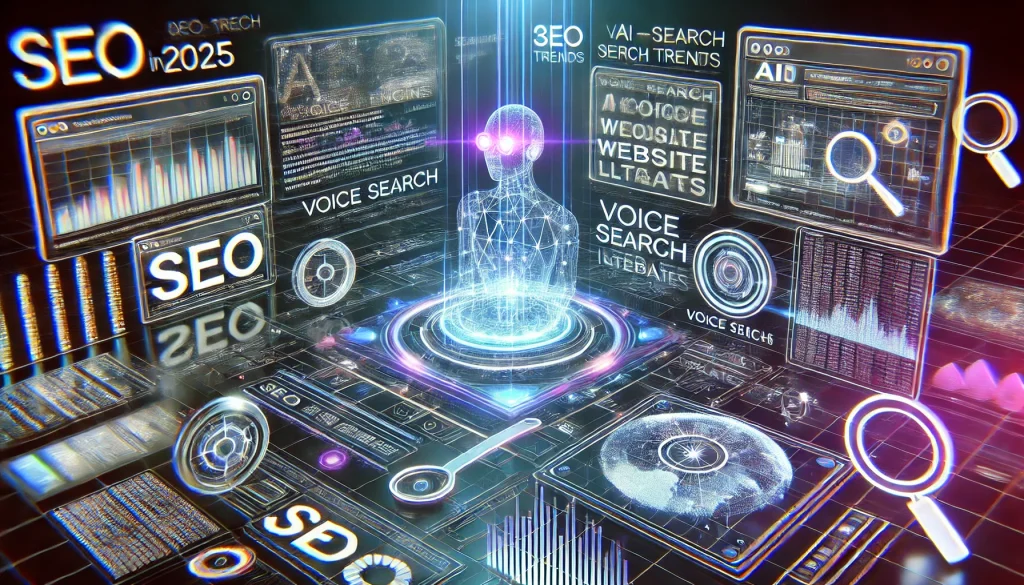
As the digital world continues evolving, SEO optimization services are no longer just about keywords and backlinks. In 2025, search engines will prioritize user experience, AI-driven content, and personalized search results. Businesses must stay ahead by implementing the latest SEO trends to maintain visibility and competitiveness. In this blog, we’ll explore the most impactful SEO trends shaping the web in 2025 and how you can leverage them to boost your rankings. AI and Machine Learning in SEO Artificial Intelligence (AI) and machine learning are reestablishing how search engines rank content. Google’s AI Algorithms: Google’s RankBrain and MUM (Multitask Unified Model) enhance search intent recognition. AI Content Optimization: Tools like Surfer SEO and Clearscope help refine content based on search patterns. Chatbots & Virtual Assistants: AI-powered assistants improve user engagement and dwell time. With AI-driven insights, businesses can refine content strategies and enhance website rankings. Voice Search Optimization Voice searches continue to grow, making it crucial to adapt SEO strategies for conversational queries. Long-Tail Keywords: Focus on natural, question-based phrases (e.g., “What are the best SEO practices for 2025?”). Featured Snippets: Optimizing for snippets increases the chances of voice search visibility. Local SEO Focus: Many voice searches are location-based, making local SEO agency services essential. As intelligent assistants become more prevalent, businesses must ensure their content aligns with voice search trends. E-E-A-T and Content Authority Google’s E-E-A-T (Experience, Expertise, Authoritativeness, Trustworthiness) framework plays a significant role in rankings. Expert-Driven Content: Well-researched and authoritative content ranks higher. High-Quality Backlinks: Off-page SEO solutions improve credibility. Transparent Authorship: Featuring credible authors and citations enhances trust. Incorporating E-E-A-T principles helps establish long-term authority in search results. Video SEO and Visual Search With platforms like YouTube, TikTok, and Google Lens, optimizing multimedia content is crucial. Video Transcriptions: Adding transcripts improves search visibility. Optimized Thumbnails & Metadata: Engaging visuals increase click-through rates. Alt Text for Images: Enhances accessibility and technical SEO audit effectiveness. Leveraging visual search trends helps brands reach a broader audience through multiple search formats. Zero-Click Searches and SERP Features Zero-click searches—a new feature that allows users to get answers directly from the search page—are rising. Featured Snippets: Optimizing for question-based searches increases SERP prominence. People Also Ask (PAA): Addressing common queries enhances content discoverability. Rich Snippets & Schema Markup: Improves structured data interpretation by search engines. Businesses must adapt their SEO strategies to align with Google’s evolving SERP landscape. Mobile-First Indexing and Page Experience Google prioritizes mobile-first indexing, emphasizing page speed and user experience. Responsive Design: Mobile-friendly sites improve ranking performance. Core Web Vitals: Metrics like Largest Contentful Paint (LCP) impact SEO rankings. Accelerated Mobile Pages (AMP): Enhancing mobile loading speeds boosts engagement. Ensuring mobile-first optimization is key to staying competitive in 2025. Programmatic SEO and Automated Content Scaling Brands leverage automation to scale their SEO efforts efficiently. AI-Generated Content: Enhances large-scale article creation. Automated Internal Linking: AI tools streamline website structure. Data-Driven Keyword Research: AI-powered keyword research services refine content strategies. Automating SEO processes allows businesses to scale content without sacrificing quality. Local SEO and Hyper-Personalization With personalized search results, local businesses must optimize for hyper-local SEO. Google My Business Optimization: Keeps listings updated for local searches. Localized Keywords: Using geo-specific terms improves visibility. Customer Reviews & Citations: Enhances local credibility. A local SEO agency ensures businesses remain visible in location-based searches. Sustainable and Ethical SEO Practices Google is prioritizing sustainability and ethical SEO tactics. Eco-Friendly Hosting: Websites with green certifications gain preference. User Privacy Compliance: Adhering to GDPR and CCPA regulations builds trust. Long-Term SEO Strategies: Avoiding black-hat techniques ensures stable rankings. Brands focusing on ethical SEO gain long-term credibility and ranking stability. The Rise of Web3 and Decentralized SEO Web3 is reshaping how digital content is accessed and ranked. Blockchain-Verified Content: Reduces misinformation and enhances credibility. Decentralized Search Engines: Alternative search engines challenge Google’s dominance. NFT & Crypto SEO Strategies: Emerging trends in blockchain-based marketing. Keeping up with Web3 advancements ensures businesses stay ahead in the evolving digital ecosystem. Why Choose Speed Dot 360 for SEO Services? At Speed Dot 360, we are a leading SEO optimization services provider, offering: AI-powered keyword research services for precision targeting. Local SEO agency solutions to enhance visibility in location-based searches. On-page SEO strategies that align with Google’s latest algorithms. Technical SEO audits to optimize website performance. Off-page SEO solutions that boost domain authority. Our expertise ensures that businesses stay ahead in the evolving SEO landscape. Conclusion SEO in 2025 is defined by AI-driven personalization, mobile-first indexing, and ethical search strategies. Businesses must adapt to technical SEO audit requirements, focus on high-quality content, and embrace automation for long-term success. At Speed Dot 360, we help businesses implement cutting-edge SEO strategies, ensuring they stay visible and competitive in search results. Whether you need on-page SEO strategies or off-page SEO solutions, our team delivers results-driven SEO optimization services. Ready to future-proof your SEO strategy? Contact Speed Dot 360 today! Frequently Asked Questions (FAQs) What are the most important SEO trends in 2025? The key SEO trends in 2025 include AI-driven content optimization, voice search readiness, mobile-first indexing, zero-click searches, and the importance of E-E-A-T (Experience, Expertise, Authoritativeness, Trustworthiness). Businesses should focus on user experience and structured data to stay ahead. How does AI impact SEO strategies? AI plays a pivotal role in monitoring user intent, automating content optimization, and improving search rankings. Tools like Google’s RankBrain and MUM help refine search results, while AI-driven content tools assist in creating high-quality, relevant content. Why is local SEO more important than ever in 2025? With hyper-personalized search results, businesses need to optimize for local searches. Updating Google My Business profiles, gathering customer reviews, and using geo-targeted keywords are essential for improving local search rankings and visibility. How can businesses prepare for zero-click searches? To optimize for zero-click searches, businesses should target featured snippets, use structured data markup, and answer commonly searched questions concisely. Appearing in Google’s “People Also Ask” section can also increase visibility. What are the benefits of a technical SEO audit? A technical SEO audit helps