
Google Introduces Ads in AI Overviews: What It Means For Marketers
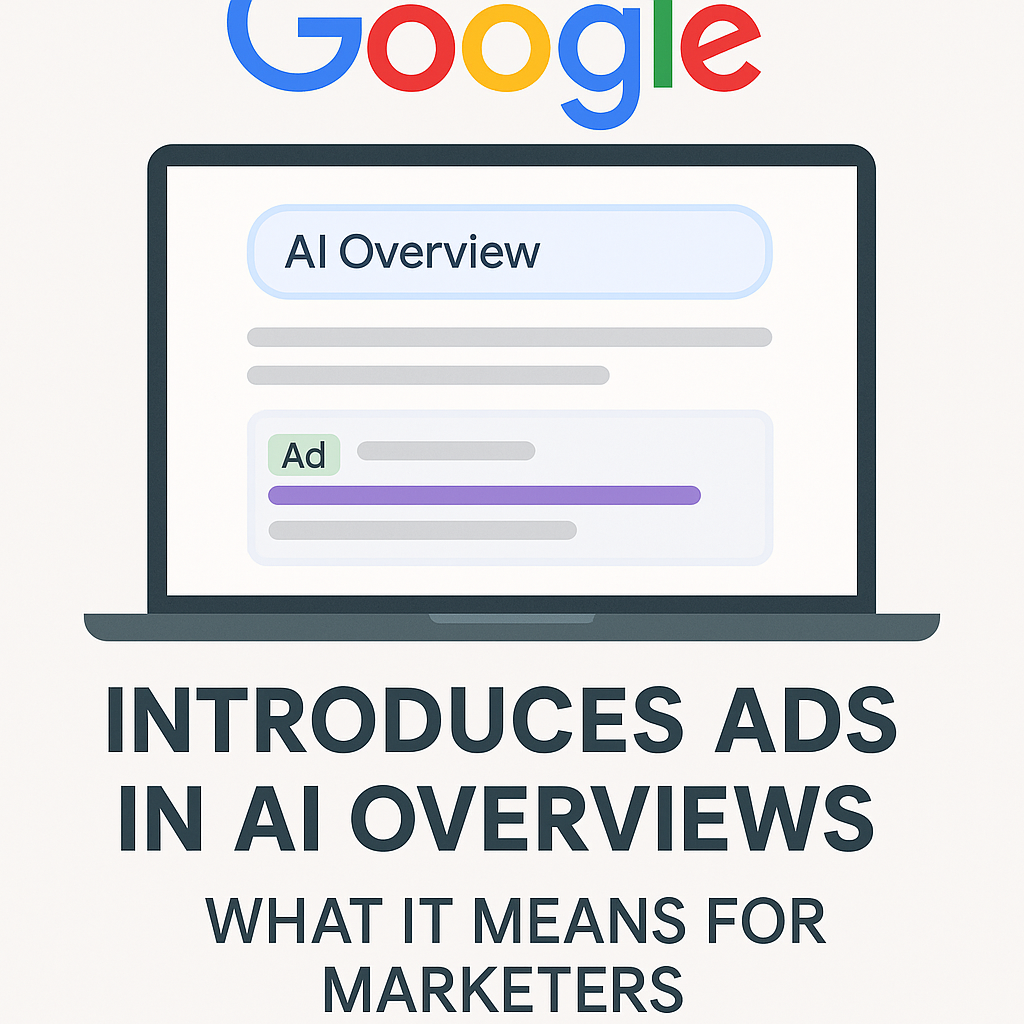
Google has once again disrupted the digital marketing landscape—this time by launching ads in AI Overviews. As artificial intelligence transforms search behavior, Google is evolving its monetization strategy to match user expectations and trends. The introduction of ads directly within AI-generated overviews signals a significant shift in how businesses must approach paid visibility online. For brands that rely on PPC advertising management, the implications are both promising and complex. Marketers must prepare for a future where AI-assisted search doesn’t just recommend content—it sells it. What Are Google’s AI Overviews? Google’s AI Overviews are summaries generated using large language models (LLMs) like Gemini (formerly Bard) that appear at the top of certain search results. They aim to deliver instant answers by synthesizing information from multiple sources—essentially preempting the need to click on traditional links. Now, Google has begun inserting Search and Shopping ads directly into these AI Overviews, initially for U.S. users and soon expanding to other English-speaking countries. Previously limited to mobile search, these ad placements are now being extended to desktop users and even into “AI Mode,” a new search interface optimized for conversational interaction. What Does This Mean for Marketers? This move adds a new, prominent layer of ad real estate in search. It also means your brand’s visibility within search results now competes not only with SEO-optimized content but with AI-curated content that can include paid placements within the overview itself. For businesses already investing in SEO optimization services and paid social media advertising, the game has changed. The traditional hierarchy of organic listings → paid ads, → featured snippets is evolving into a dynamic and AI-driven interface where contextual relevance and intent drive visibility. Who’s Eligible for These New Ad Placements? Google’s initial rollout supports advertisers using: That means if you’re using Google Ads with these campaign types, your ads may already be eligible to appear in AI Overviews—without requiring any additional setup. However, to fully capitalize on this visibility, your ad content, keywords, and creative approach must adapt to AI’s evolving context requirements. How Are These Ads Displayed? In a traditional search, ads are usually placed above or below organic results. In AI Overviews, ads are embedded within the actual answer—appearing alongside links and sources provided by the AI. Importantly, these ads are: This contextual approach may lead to higher engagement, as ads blend naturally into informative answers. Opportunities and Challenges Ahead ✔ Opportunity: Enhanced Visibility Where Users Are Focused AI Overviews are designed to capture immediate attention. By inserting ads directly into that space, Google is giving advertisers access to one of the most concentrated areas of user focus. For marketers with strong brand strategy consulting, this offers a unique way to ensure your messaging appears in the “zero-click” zone—before users even scroll. ✔ Opportunity: Relevance-Driven Conversions Unlike traditional ads that depend on visual dominance, AI Overview ads benefit from being contextually embedded within helpful content. This means higher engagement potential—especially for product-based or solution-driven queries. If a user searches, “What’s the best air purifier for allergies?” and the AI suggests your product, that placement can be reinforced with a targeted ad—driving conversions from an already-warm lead. ⚠ Challenge: Ad Saturation and User Fatigue With the increasing number of ad placements across the SERP—now including inside AI answers—users may begin to experience ad fatigue. This could lead to: Balancing precision targeting with value-driven messaging will be essential to maintaining engagement. Preparing for AI-Enhanced Advertising As a marketer, how can you adjust your strategy for success in this AI-powered ad environment? 1. Audit Your Existing Campaigns Start by reviewing your use of: Are they optimized for intent and performance? If not, this is a good time to conduct a comprehensive audit in collaboration with your PPC advertising management team. 2. Optimize for Conversational Relevance AI Overviews are generated to feel natural and conversational. Your ad copy should match this tone. Try: “Looking for allergy relief? Discover HEPA air purifiers starting at $99.” Avoid: “HEPA AIR PURIFIER – BUY NOW – 50% OFF!” The goal is to enhance, not disrupt, the user’s experience. 3. Monitor Your Campaign Metrics Track: These metrics can indicate whether your ads are resonating in AI Overviews versus traditional placements. Beyond Ads: A New Era of Search Behavior Google’s AI ad rollout also reflects a broader shift in how people search. Increasingly, users expect: To meet these expectations, your marketing strategy should combine: In short, it’s not just about ranking anymore—it’s about being the best answer in the right format, at the right time, powered by AI. Final Thoughts: A Call for Agility Google’s decision to introduce ads in AI Overviews is not a minor adjustment—it’s a redefinition of the search experience. For marketers, it’s a wake-up call to embrace agility, innovation, and AI fluency. At Speed Dot 360, we understand how fast this landscape moves. That’s why we provide integrated strategies that combine PPC advertising management, AI-readiness, SEO optimization, and brand strategy consulting to help businesses not only adapt—but lead. Whether you’re looking to dominate in AI search, revamp your ads for conversational platforms, or future-proof your paid media, we’re ready to help you rise to the occasion.
How to Attract and Convert Website Visitors through Content Marketing
In the ever-evolving world of digital business, content isn’t just king—it’s your brand’s most reliable salesperson. At Speed Dot 360, we believe content marketing is not just a buzzword; it’s a strategic powerhouse. It acts as a bridge to seal the gap amid curiosity and conversion. From insightful blogs to interactive quizzes and storytelling-infused videos, great content draws people in and nurtures trust. If you’re struggling to turn traffic into paying customers, you’re not alone. But with the right approach—including targeted keyword research services—content marketing can help you create a funnel that not only attracts but also converts with purpose and precision. What Is Content Marketing and Why Does It Matter? Content marketing is the procedure of planning, creating, distributing, and managing content to reach your ideal audience and convert them into loyal customers. Instead of selling directly, content marketing focuses on providing value, solving problems, and building a relationship with your audience. This value-based approach is more effective than traditional advertising because people engage with brands that educate and inspire them, not just those who interrupt their feed with a product pitch. Mapping Content to the Buyer’s Journey Every piece of content should speak to a stage in your customer’s decision-making process. That’s why aligning your strategy with the buyer’s journey is crucial: This journey-based content strategy ensures you’re not just speaking to everyone but speaking to the right person at the right time, with the right message. Types of High-Converting Content Your content toolkit should be diverse. Here are the formats delivering results in 2025: SEO: Fuel for Your Content Engine You can write the most insightful blog post in the world, but if no one sees it, it won’t convert. This is where SEO optimization services come into play. From researching trending keywords to optimizing meta descriptions, every technical detail adds up. Start with effective keyword research services to find terms your ideal customers are actually searching for. Then, weave those keywords naturally into your content—headlines, subheads, body copy, and alt-text. And don’t forget about backlinks. Getting your content linked from high-authority websites signals credibility to search engines and boosts ranking power. Consider integrating link building services into your broader strategy. Attracting the Right Visitors: Proven Strategies Attracting traffic starts with visibility. Here are key ways to draw users to your website: Turning Traffic Into Leads Once visitors land on your site, your content’s job is far from done. It must inspire action. Use every interaction point as an opportunity to move users one step closer to becoming a lead or customer. The Power of Email Marketing Email marketing campaigns remain a powerhouse for nurturing leads over time. Use your newsletter to deliver handpicked blog articles promotional offers, or invite readers to upcoming webinars. Segment your list according to your user behavior or interests to personalize messaging and boost engagement. Combining smart email with content ensures your brand remains top-of-mind throughout the decision-making process. Brand Storytelling: The Emotional Connection People don’t just buy products—they buy stories, values, and experiences. Brands with compelling narratives cut through the noise and stay memorable. Invest in brand storytelling solutions that resonate with your audience. Your “why” matters. From an about page to customer testimonials, let your brand voice come alive. By weaving storytelling into your content—from blogs to videos—you humanize your message, making your business more relatable and trustworthy. Measuring What Matters You can’t improve what you don’t measure. Here are key metrics to track: Utilize tools like Google Analytics, HubSpot, and SEMrush to analyze performance and regulate your strategy accordingly. Branding & Strategy: The Foundation for Long-Term Growth Finally, don’t treat content marketing as a siloed effort. Your success hinges on a well-rounded approach that aligns with broader branding & strategy initiatives. Strategic alignment ensures every piece of content not only attracts but also reflects the values and vision of your business. Final Thoughts Content marketing in 2025 is about connection, credibility, and conversion. Whether you’re building blog funnels, running email marketing campaigns, investing in SEO optimization services, or crafting your brand narrative through brand storytelling solutions, remember: value-first always wins. At Speed Dot 360, we specialize in helping businesses create and execute data-driven content strategies that turn visitors into leads—and leads into loyal customers. Are you ready to grow your business with content that truly converts?
10 Types of Social Media & How They Improve Your Business in 2025
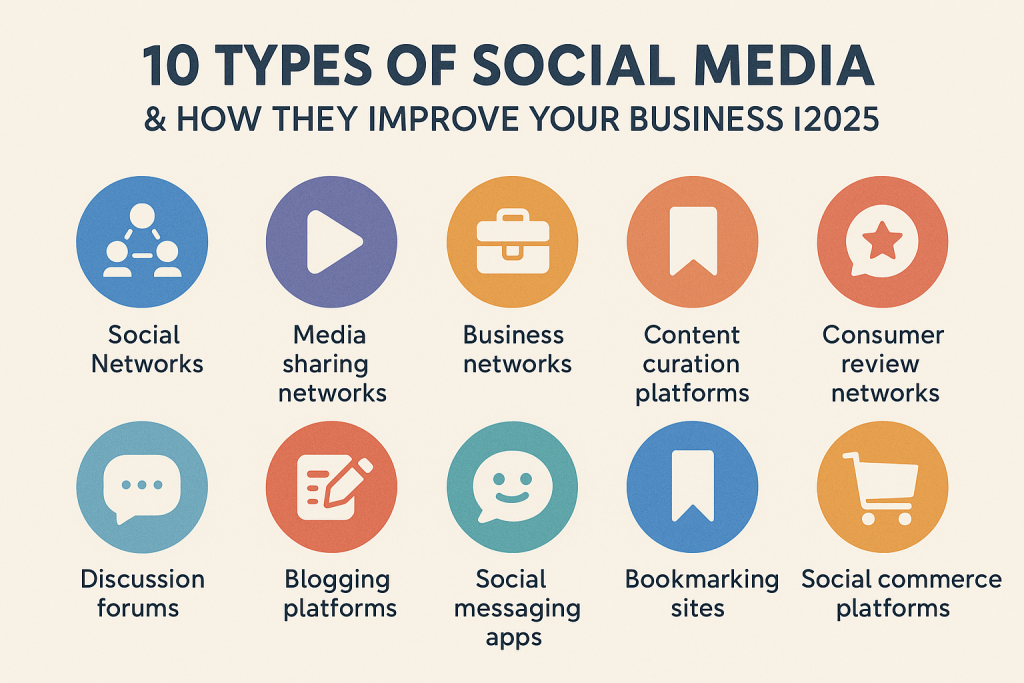
Social media is no longer a nice-to-have—it’s an essential part of every brand’s digital presence in 2025. As businesses continue to prioritize social media strategy development, understanding the distinct types of platforms available can be the difference between a stagnant presence and a thriving online community. In this article, we explore 10 impactful types of social media and how each can improve and benefit your business this year and beyond. 1. Video Social Media Video content remains king. Platforms like YouTube, TikTok, Instagram Reels, and Facebook Watch allow businesses to engage with users through storytelling, product demos, how-tos, and behind-the-scenes content. Short-form videos, especially on TikTok and Instagram, are highly shareable and attention-grabbing. Brands leveraging Instagram marketing services can increase reach, boost conversions, and connect emotionally with audiences. These videos offer a deeper way to express your brand personality and increase brand loyalty. 2. Audio Social Media Audio-based platforms like Spotify, Twitter Spaces, and Clubhouse have found their niche in thought leadership and real-time interaction. Podcasts and live audio rooms help build communities and educate audiences. For businesses, creating branded podcasts or hosting live industry discussions is a strong play. It’s an intimate format that positions your brand as a subject matter expert. Plus, it helps with social media brand awareness through niche targeting. 3. Business Social Media LinkedIn, X (formerly Twitter), and even Threads are evolving as platforms for professional interaction. These networks allow brands to connect with decision-makers, recruit top talent, and share valuable B2B content. If you offer LinkedIn advertising solutions, you’re already aware of the power this platform has for lead generation. Sharing industry insights and joining relevant conversations can enhance credibility and bring in high-value clients. 4. Shoppable Social Media Instagram Shop, Facebook Marketplace, and TikTok Shopping blur the lines between content and commerce. Users can now effectively browse and purchase products directly within these apps. Businesses can showcase their product catalogs, run Facebook ad campaigns, and link users directly to checkout pages—without them ever leaving the platform. This mtigates friction in the buyer journey and significantly improves conversion rates. 5. Private or Closed Social Media Facebook Groups, Slack communities, and Discord servers are examples of closed social media networks that foster exclusivity and loyalty. Creating a branded group enables businesses to build deeper relationships, get real-time feedback, and nurture brand advocates. These platforms are ideal for community-led growth strategies where word-of-mouth and peer influence play major roles. 6. Inspirational Social Media Pinterest, Instagram, and YouTube function as inspiration boards for users seeking ideas in fashion, home décor, food, travel, and more. These platforms prioritize visual storytelling and allow brands to present their products or services in an aspirational context. With strategic social media content creation, businesses can visually demonstrate how their solutions fit into customers’ lifestyles, ultimately driving more clicks, shares, and conversions. 7. Discussion Forums Quora and Reddit remain critical spaces for answering questions, sharing insights, and showcasing your brand’s expertise. Discussion forums provide a unique opportunity to engage in authentic conversations with potential customers. Participating in relevant subreddits or forum threads builds thought leadership and generates indirect traffic to your website. 8. Review Sites Platforms like Yelp, TrustPilot, and Google Business Profile act as decision-making hubs for online buyers. Positive reviews help build credibility, while negative ones present opportunities for improvement. Engaging with reviews boosts transparency and signals your brand’s commitment to customer satisfaction. These sites are crucial for managing social media brand awareness in a trust-driven landscape. 9. Social Media Livestreams Facebook Live, YouTube Live, and Instagram Live offer real-time video broadcasting, perfect for Q&A sessions, product launches, or behind-the-scenes sneak peeks. Live video fosters instant engagement and builds trust by humanizing your brand. It also allows for direct interactions, helping deepen customer relationships and encouraging followers to take immediate action. 10. Social Blogging Networks Medium, Tumblr, and LinkedIn Articles combine blogging with social sharing features. These platforms let brands publish long-form content and promote thought leadership. Maintaining a blog on these platforms helps with SEO, builds authority, and invites user interaction through comments and shares. When integrated with broader social media strategy development, they become powerful assets for content marketing. Emerging Platforms to Watch in 2025 As the world of social media continues to thrive, new platforms are challenging the dominance of traditional networks. Channels like Threads, Bluesky, and Mastodon are gaining traction among niche audiences looking for decentralized or alternative digital spaces. Forward-thinking brands are beginning to explore these platforms to build early visibility and connect with tech-savvy, trend-aware consumers. Experimenting on these platforms can also give your brand a competitive edge, allowing you to test innovative formats and community-building strategies before the space becomes saturated. For brands focused on social media brand awareness, exploring emerging platforms in parallel with core channels ensures your strategy remains dynamic and future-proof Final Thoughts In 2025, the social media ecosystem will be more diverse, dynamic, and powerful than ever. No single platform will serve every business need. Instead, brands that identify the right mix of formats—video, audio, private groups, forums, shoppable posts—will stand out. At Speed Dot 360, we help brands like yours tap into the right channels and craft a custom strategy built for measurable growth. Whether you’re launching Facebook ad campaigns, investing in Instagram marketing services, or seeking a full-stack influencer marketing agency, our expertise ensures your social presence is more than just active—it’s effective.
Checklist for Marketing Audit for Roofers: Boost Leads, Visibility & ROI
In today’s saturated digital landscape, roofing companies must do more than just “show up online.” To grow leads, close more jobs, and gain local dominance, you need a strategic and measurable approach. That’s where a well-structured marketing audit comes into play. Whether you’re working with a local SEO agency or managing marketing in-house, conducting a thorough audit will help identify gaps, enhance performance, and align your efforts with real business goals. This guide walks you through the essential checklist every roofer needs to evaluate marketing effectiveness—from SEO and content to advertising and conversion paths. 1. Define Your Marketing Goals Before diving into audits, establish clear, measurable goals. Are you trying to generate more leads? Rank higher on Google? Improve your online reputation? Your marketing audit will be most effective if it’s tied to specific KPIs such as: 2. Evaluate Your Branding and Online Reputation Your brand is your promise to customers—and consistency is key. Roofing is a high-trust industry. That’s why a strong, visible, and reputable brand is essential for converting leads. Audit checklist: ORM plays an important role in both customer conversion and SEO optimization services. 3. Conduct a Website & Technical SEO Audit Your website is your 24/7 salesperson. It needs to be fast, user-friendly, and built to convert. A technical SEO audit ensures that search engines can crawl, index, and rank your site in the best possible manner. Key technical areas to audit: Tools like Google Search Console, SEMrush, and Screaming Frog can help identify technical issues that hurt rankings. 4. Review On-Page SEO Strategies On-page optimization is where you control the keywords, structure, and relevance of your content. A strong on-page SEO strategy ensures your site speaks the language of users and search engines. Audit questions to ask: Well-executed on-page SEO strategies increase visibility, improve user experience, and ultimately drive more qualified traffic. 5. Strengthen Off-Page SEO Solutions While on-page SEO builds a solid foundation, off-page SEO solutions help you gain authority in Google’s eyes through backlinks, local citations, and brand mentions. Key off-page audit items: Use tools like Ahrefs or Moz to analyze your backlink profile and eliminate toxic links. 6. Analyze Content Marketing Effectiveness Roofers who educate their customers with useful content build trust and stay top-of-mind. Blog articles, FAQs, and project showcases can attract and nurture leads when optimized well. Content audit checklist: Great content also fuels your email, SEO, and social media strategies. It’s the engine that powers long-term growth. 7. Review Email Marketing Campaigns Not all roofing leads are ready to convert immediately. That’s why email marketing campaigns are so effective—they nurture leads over time and drive repeat business. Audit your email efforts by reviewing the following: Whether it’s a monthly newsletter or post-project follow-up, email keeps your brand top-of-mind and builds long-term customer loyalty. 8. Audit Paid Advertising & PPC Campaigns Are your Google Ads and Facebook campaigns bringing in qualified roofing leads—or just eating up your budget? Checklist for PPC audit: Properly audited and optimized ads can dramatically improve cost-per-lead and ROI. 9. Review Lead Tracking & CRM Systems It’s not enough to drive traffic—you need to know where leads come from and how they convert. A CRM ensures that no opportunity falls through the cracks. Audit points: Lead tracking and attribution help roofing contractors make informed budgeting decisions. 10. Evaluate Social Media Presence Social media might not be your #1 lead driver, but it’s essential for credibility and community engagement—especially for local roofers. Audit your social media by asking: Social proof matters. Homeowners want to see that you’re active, professional, and relatable. 11. Competitor Comparison Finally, compare your performance to the top roofing contractors in your area. This gives you a sense of where you stand—and where you can gain ground. Use competitive research tools to analyze: A marketing audit isn’t complete without knowing how you stack up. 12. Work With the Right Partner A DIY audit can go a long way—but having experts like SpeedDot360 in your corner takes things further. From professional technical SEO audits to custom email marketing campaigns, we help roofers uncover blind spots, fix inefficiencies, and scale with precision. Whether you’re a startup contractor or an established roofing company, SpeedDot360 offers tailored solutions for lead generation, local visibility, and long-term growth. Conclusion A successful roofing business starts with a powerful marketing foundation. By following this marketing audit checklist, you’ll uncover actionable insights to boost traffic, conversions, and your bottom line. Regular audits—ideally every 6 to 12 months—will keep your strategy fresh, focused, and ahead of the competition. Don’t just spend money on marketing. Make sure every dollar is working as hard as you do on the roof. Ready to unlock the full potential of your roofing marketing? Contact SpeedDot360 today for a free consultation and start building a smarter, results-driven marketing strategy.
Social Media as a Search Engine: Will Social Media Replace Google Search?
In the digital age, we have seen how social media management has evolved from a simple communication tool to a powerhouse that shapes the way people interact, consume content, and even make purchasing decisions. Platforms like Facebook, Instagram, and LinkedIn are not just social networking sites; they are becoming the new search engines for millions of users. This raises an interesting question: will social media replace Google Search as the primary way people seek information online? In this blog, we will discover the rising effect of social media platforms as search engines, their advantages and disadvantages over traditional search engines, and whether social media is truly poised to replace Google in the near future. The Rise of Social Search The move from traditional search engines to social media platforms for discovering information has been growing steadily over the past few years. What started as an alternative to searching through Google or Bing for product recommendations, local services, and even news updates has now become a norm, especially for younger generations. Facebook ad campaigns, Instagram marketing services, and even LinkedIn advertising solutions have proven to be successful methods of reaching targeted audiences, but they also highlight the trend of integrating search-like features directly within social media platforms. For many people, social media has already become a go-to tool for finding relevant content. Whether they are looking for new fashion trends, tech gadgets, restaurant reviews, or advice on how to do a task, they now turn to social networks like Instagram, TikTok, or Twitter to get these answers. This “social search” behavior shows that social platforms are offering a more personalized, visual, and engaging way of browsing compared to traditional search engines. Why Social Media is Gaining Popularity as a Search Tool 1. Visual Search One of the key reasons people are shifting to social media for searches is the rise of social media content creation, particularly in the form of visual content. Social platforms like Instagram, TikTok, and Pinterest are inherently visual, which makes them ideal for users who want to see, rather than just read, their search results. A simple scroll through Instagram or Pinterest provides a wealth of images, videos, and tutorials that are far more engaging than traditional text-based search results. 2. User-Generated Content (UGC) Another advantage of social media is the wealth of user-generated content (UGC) that can be a better resource for some search queries than professional websites. Reviews, personal experiences, and recommendations shared by users themselves often carry more weight than product descriptions on a company website. This is why social media platforms have become so crucial for product discovery and decision-making. Whether it’s watching a TikTok video on a new kitchen gadget or reading Instagram stories about a local business, UGC is an essential part of the social search experience. This is where Facebook ad campaigns and Instagram marketing services provide businesses with a unique opportunity to showcase their products or services in a way that feels personal and authentic to the consumer. 3. Real-Time, Trending Content Social media platforms are fast-paced and constantly updating with the latest trends and conversations. The Facebook ad campaigns and content on Instagram or Twitter are updated in real time, meaning users have access to relevant content that may not be immediately available on traditional search engines. The immediacy and up-to-the-minute updates offered by social platforms are critical in today’s fast-moving world of news and information. For example, when a new product or service launches, people may turn to Instagram or TikTok first to see real-world demonstrations and reviews rather than searching Google for articles. This sense of instant gratification is something Google can struggle to match, making social platforms more appealing for quick searches. 4. Personalized Search Results Search results on social media are highly personalized based on the user’s interests, past behavior, and even their social circles. Facebook, Instagram, and LinkedIn all use algorithms to tailor content to users, meaning the information you see is often more aligned with your preferences. This contrasts with Google’s approach, which primarily relies on keywords, backlinks, and SEO to determine search rankings. Social media platforms, on the other hand, allow for a deeper, more personalized search experience. For instance, if you’re researching a new city to move to, Instagram’s location-based search feature can show you relevant posts from local residents, giving you insight into what it’s really like to live there. Similarly, LinkedIn advertising solutions can direct you to posts and articles from industry professionals that might be more valuable than a generic Google search result. Social Media vs. Google Search: Which Is Better? While social media is gaining traction as a search engine, there are still several aspects in which Google continues to outperform social platforms. 1. Depth and Accuracy of Information Google is an information powerhouse. It indexes billions of websites, documents, articles, and media, ensuring that users can find the most accurate and comprehensive content available. Social media platforms, on the other hand, prioritize content that is visually engaging or tied to a trending topic, which may not always result in the most detailed or factual information. Google also provides a wide variety of search tools, such as Google Scholar, Google Maps, and Google News, which are specialized for different types of queries. These resources make Google the go-to search engine for many users when they need in-depth research or specific data. 2. Credibility When people turn to social media for information, there’s a level of trust that needs to be established with the content creator or brand. While social media content creation offers more authentic and real-time insights, it’s also rife with misinformation and content that’s influenced by paid promotions. Google’s search algorithm, on the other hand, tends to rank content based on credibility, helping users find trustworthy sources. 3. Targeted Advertising Social media platforms have proven to be greatly effective for businesses through their Facebook ad campaigns and Instagram marketing services. These platforms allow advertisers to target precise demographics with precision, tailoring ads to
Marketing Stats You Must Know in 2025
Marketing is more data-driven than ever, and staying ahead in 2025 means understanding the key statistics shaping digital strategies. From social media management to PPC advertising management, brands must adapt to emerging trends and evolving consumer behaviors to remain competitive. This article explores the most crucial marketing statistics for 2025, offering insights into digital advertising, content strategies, social media, email marketing, and more. Whether you’re a marketer, a business owner, or part of a content marketing agency, these numbers will guide your decision-making in the year ahead. The State of Digital Marketing in 2025 Digital marketing is continuing its rapid evolution, with businesses increasing their online advertising budgets to engage consumers effectively. Here are some of the key stats defining the industry: With digital advertising growing, businesses must invest in AI-driven strategies, data analytics, and targeted advertising to maximize ROI. Social Media Marketing: The Driving Force of Digital Strategies Social media remains a powerhouse for customer engagement, brand awareness, and sales. Platforms continue to evolve, and businesses must stay agile to keep up with changing trends. To stay competitive, businesses should focus on social media management, leveraging paid and organic strategies to enhance their digital presence. Email Marketing: Still One of the Highest ROI Channels In the evolving world of instant messaging apps and social media, email marketing remains a prominent digital marketing channel. Businesses that invest in automated, data-driven email marketing campaigns will see better customer engagement and higher conversion rates. Maximizing ROI with Paid Search With increasing competition in digital marketing, PPC advertising management is more crucial than ever for businesses aiming for higher conversions. For businesses looking to scale, PPC advertising management should focus on data-driven strategies, A/B testing, and AI-powered ad optimizations. SEO & Content Marketing: The Key to Long-Term Growth SEO and content marketing continue to thrive for organic visibility and brand authority. As search algorithms become more advanced, businesses need to invest in high-quality, intent-driven content. Businesses working with a content marketing agency should prioritize evergreen content, SEO-optimized blogs, and multimedia integration to improve organic traffic. AI and Automation: The Future of Marketing Efficiency AI is reshaping the marketing landscape by improving efficiency, personalization, and customer experiences. Marketers should embrace AI-powered automation tools to enhance efficiency and drive better results across digital channels. Capturing the Mobile-First Audience With mobile usage continuing to rise, brands must prioritize mobile-first marketing strategies. For businesses, optimizing their digital assets for mobile-first experiences will be critical to staying relevant. Video Marketing: Dominating the Digital Space Video continues to be one of the most engaging content formats, with consumers preferring visual storytelling over static content. To stay ahead, businesses should invest in high-quality video content to enhance brand storytelling and audience engagement. Conclusion Marketing in 2025 is all about leveraging data, automation, and personalization to create effective digital campaigns. By staying informed about these marketing statistics, businesses can make strategic decisions that drive growth, engagement, and revenue in 2025.
How Much Do Ads Cost in 2025?
In the flustering world of inflation, businesses can oversee a considerable difference in online advertisement, and as 2025 unfolds, businesses must adapt to new pricing models, trends, and bidding strategies. Whether you’re running PPC advertising management, leveraging social media management, or investing in Facebook ad campaigns, understanding ad costs is crucial for maximizing returns. But how much does advertising actually cost in 2025? Are prices going up, or are there ways to optimize spending? In this article, we’ll break down the latest ad pricing trends across different platforms, analyze the key factors driving these costs, and offer insights on how businesses can effectively allocate their marketing budgets. The Evolution of Digital Advertising Costs The cost of advertising is never static. It fluctuates due to platform competition, consumer behavior, economic conditions, and even technological advancements. Here’s what’s shaping ad prices in 2025: These factors create a complex pricing environment where advertisers must be strategic with their spending. Google Ads Costs in 2025 Google remains the largest digital advertising platform, but costs vary based on industry, competition, and ad format. What Influences Google Ads Pricing? To control expenses, businesses should work with a content marketing agency to improve landing page relevance and Quality Scores. Facebook & Instagram Ads Costs in 2025 Meta’s platforms (Facebook & Instagram) remain essential for digital marketing, with costs rising due to increased competition and evolving targeting options. Key Pricing Factors for Facebook Ads: Advertisers investing in Facebook ad campaigns should prioritize creative testing and audience segmentation to improve ROI. LinkedIn Ad Costs in 2025 For B2B businesses, LinkedIn is a go-to platform, but it remains one of the most expensive advertising options. Given LinkedIn’s higher costs, B2B companies should focus on email marketing campaigns and retargeting strategies to complement LinkedIn ads and reduce spending. TikTok & YouTube Ad Costs in 2025 Video-based platforms continue to dominate digital advertising. TikTok Ads YouTube Ads Short-form videos outperform static ads, making social media management critical for brands looking to boost engagement and ad efficiency. Email Advertising Costs in 2025 While many businesses overlook email marketing, it remains a highly profitable channel. Email marketing campaigns provide an affordable way to nurture leads and drive conversions without relying on expensive paid ads. What Drives Advertising Costs in 2025? Several key factors influence digital advertising expenses: 1. Industry Competition Certain industries (e.g., legal, finance, SaaS) see higher CPCs due to fierce competition. 2. Bidding Strategies Automated bidding increases efficiency but can also drive up costs if not monitored. 3. Ad Relevance & Quality A strong Quality Score (Google) or Relevance Score (Facebook) can lower costs significantly. 4. Audience Targeting Narrower targeting typically increases costs but improves conversion rates. 5. Ad Format & Placement By combining keyword research services with data-driven strategies, brands can optimize ad performance and spending. How to Lower Your Ad Costs in 2025 Want to make the most of your advertising budget? Here are some proven strategies: The Future of Ad Pricing Beyond 2025 As AI-driven ad platforms evolve, costs will continue to shift. Key trends to watch: Advertisers who adapt to these trends will be better positioned for cost-effective success. Conclusion Advertising costs in 2025 will continue to rise, but businesses that optimize their strategies can still achieve strong ROI. By staying informed and leveraging data-driven insights, brands can allocate their budgets efficiently and maximize their advertising impact in 2025.