
The Importance of Mobile Optimization in SEO: Why It Matters Now More Than Ever
In today’s fast-paced, on-the-go world, mobile devices have become an integral part of our daily lives. Whether browsing the web, shopping online, or accessing social media, consumers are increasingly using smartphones and tablets to perform a wide range of activities. As a result, businesses need to ensure their websites are optimized for mobile devices—not just for user convenience but also to enhance their SEO performance. Mobile optimization in SEO has never been more critical, and in 2025, it is one of the most important factors influencing search engine rankings. Google’s shift toward mobile-first indexing, the rapid rise in mobile searches, and the need to meet consumer expectations are all reasons why mobile optimization is paramount for any business that wants to succeed online. In this blog, we’ll discuss why mobile optimization matters for SEO, how it impacts your rankings, and actionable steps you can take to improve your website’s mobile-friendliness. What Is Mobile Optimization? Mobile optimization refers to the practice of designing and developing a website so that it provides the best user experience on mobile devices, such as smartphones and tablets. A mobile-optimized website loads quickly, displays correctly, and offers easy navigation on smaller screens, ensuring visitors can easily interact with your site. Mobile optimization involves: Why Mobile Optimization Matters for SEO Mobile optimization plays a significant role in improving both user experience and search engine rankings. Here’s why it matters now more than ever: 1. Google’s Mobile-First Indexing Google uses mobile-first indexing, meaning it predominantly uses the mobile version of your website to rank your pages and understand content. Previously, Google used desktop versions of websites to assess content, but this shift to mobile-first indexing reflects the growing dominance of mobile browsing. 2. The Rise of Mobile Searches In 2025, mobile searches are expected to account for more than 70% of total online searches. With smartphones in hand, people are using voice search, browsing social media, and conducting product searches at unprecedented rates. 3. User Experience (UX) and Mobile Optimization Go Hand-in-Hand User experience is one of the most important factors in SEO today, and mobile optimization is crucial to providing a positive experience. A seamless mobile experience means users can easily navigate your site, find information, and complete their goals—whether it’s making a purchase, filling out a form, or reading your blog. 4. Faster Load Times and Better Rankings Page load speed is a critical aspect of mobile optimization. Slow-loading websites result in higher bounce rates, decreased time on site, and frustrated users. Google has clearly stated that page speed is a ranking factor, and with mobile users demanding instant access, slow sites risk losing visitors and ranking lower. 5. Impact on Local SEO Mobile optimization is particularly important for local SEO, especially as mobile devices are often used for on-the-go searches like “near me” queries. When people search for businesses or services nearby, Google delivers local search results based on the user’s location, and mobile optimization plays a key role in these results. Best Practices for Mobile Optimization in SEO Here are some best practices to ensure your website is fully optimized for mobile and ready for SEO success: Conclusion: Why Mobile Optimization is Non-Negotiable for SEO in 2025 In 2025, mobile optimization is not just a nice-to-have feature; it’s a necessity for businesses that want to thrive in search rankings and provide exceptional user experiences. With Google’s mobile-first indexing, the explosion of mobile searches, and the growing importance of user experience, businesses that fail to optimize for mobile are at risk of losing visibility, traffic, and revenue. At Speed Dot 360, we understand the importance of mobile optimization in today’s digital landscape. Our expertise in web development and SEO strategies helps businesses ensure their websites are not only mobile-friendly but also optimized for top performance across all devices. If you’re looking to improve your website’s mobile optimization and boost your SEO rankings, contact us today to start creating a seamless, mobile-friendly experience for your audience. FAQ Section Q1: How can I test if my website is mobile-optimized?Use Google’s Mobile-Friendly Test tool to check if your website is optimized for mobile devices. This tool will provide a detailed report on what aspects need improvement. Q2: Can mobile optimization affect my Google rankings?Yes, mobile optimization plays a key role in your website’s SEO. Google uses mobile-first indexing, meaning it primarily uses the mobile version of your website to rank it in search results. Q3: What is the best way to improve mobile load times?You can improve mobile load times by optimizing images, reducing JavaScript and CSS files, using lazy loading for images, and leveraging a Content Delivery Network (CDN). Q4: Is mobile optimization important for e-commerce websites?Absolutely. Mobile optimization is critical for e-commerce websites since many customers browse and make purchases on mobile devices. A slow or poorly optimized mobile site can lead to lost sales and decreased customer satisfaction. Q5: How can I optimize my website for voice search?Focus on using natural language, long-tail keywords, and question-based phrases in your content. Ensure that your website is mobile-friendly, as many voice searches are conducted via mobile devices.
10 Proven Strategies for Building High Quality Backlinks
Backlinks are one of the most powerful elements of SEO. When search engines like Google see that other reputable websites are linking to your content, they interpret it as a sign of trust and authority. As a result, your website’s ranking on search engine results pages (SERPs) improves. However, not all backlinks are created equal. Quality backlinks from authoritative, relevant sources are far more beneficial than a large quantity of low-quality links. In this blog, we’ll explore 10 proven strategies for building high-quality backlinks that can significantly enhance your SEO efforts and help you climb the ranks in search engines. 1. Create High-Quality, Shareable Content Content is at the core of every successful backlink strategy. The more valuable and engaging your content is, the more likely others will want to link to it. Content that provides useful information, solves problems, or answers questions tends to attract backlinks naturally. Tip: The more informative, unique, and well-designed your content is, the more it’s likely to be shared and linked to by others. 2. Guest Posting on Relevant Websites Guest posting is one of the most effective ways to build backlinks, particularly if you’re looking to gain high-quality, authoritative links. By writing high-quality guest posts for reputable websites in your niche, you can secure backlinks while simultaneously increasing your visibility. Tip: Always ensure that the guest post aligns with your brand’s values and target audience. This makes the backlink more relevant and valuable. 3. Broken Link Building Broken link building is a strategy where you find broken links (404 errors) on other websites and suggest your content as a replacement. This helps webmasters fix their broken links while providing you with an opportunity to secure a high-quality backlink. Tip: Make sure the content you’re suggesting as a replacement is high-quality and relevant to the page. A well-crafted, thoughtful email to the website owner can increase your chances of earning the link. 4. Leverage Influencer Outreach Influencer marketing isn’t just for product promotions—it can also be an excellent tool for building backlinks. By connecting with influencers and industry leaders in your niche, you can encourage them to mention or link to your content in their blogs, articles, or social media posts. Tip: Approach influencers with personalized and thoughtful outreach. Offer them something of value in return, like sharing their content or collaborating on a project. 5. Resource Page Link Building Many websites feature resource pages that link to valuable tools, content, or industry-specific resources. By identifying these resource pages and getting your content listed, you can earn valuable backlinks from trusted websites. Tip: Ensure your content is truly valuable and unique before reaching out to resource pages. If it’s not helpful to the page’s audience, your request may be denied. 6. Build Relationships with Other Bloggers Building relationships within your industry can lead to mutual backlinking opportunities. Engaging with other bloggers and content creators in your field can result in them linking to your content, either through collaborations or casual mentions. Tip: Relationships take time to build, so focus on offering value to others in your industry before asking for backlinks. 7. Submit Your Website to Online Directories Submitting your website to reputable, niche-specific online directories can help improve your backlink profile and drive targeted traffic to your website. However, it’s important to focus on high-quality, trustworthy directories, as low-quality directories can harm your SEO. Tip: Include complete and accurate business information in your directory submission, and ensure it aligns with your overall SEO strategy. 8. Participate in Industry Forums and Communities Participating in industry-specific forums, online communities, and Q&A platforms like Quora can help you build backlinks and establish yourself as an authority in your niche. When you share insights, answer questions, and contribute to discussions, you can include backlinks to your site. Tip: Don’t overdo the self-promotion—focus on building credibility and providing value, and the backlinks will come naturally. 9. Conduct Expert Roundups Expert roundups are blog posts that feature insights from multiple experts in a particular industry. These roundups are often highly shareable and attract backlinks from the experts featured in the post. Tip: Make sure to reach out to industry leaders who have an engaged following and a strong online presence. Their backlink will carry more weight. 10. Use Social Media for Link Building While social media backlinks are typically no-follow (they don’t directly impact SEO), they can still generate referral traffic, increase brand visibility, and lead to earned backlinks from authoritative sources. Tip: Make your content shareable by adding social sharing buttons and promoting it across multiple platforms to increase its reach and backlink potential. Conclusion Building high-quality backlinks is one of the most effective SEO strategies for improving your website’s authority and search engine rankings. While it requires time and effort, implementing these 10 proven link building strategies can help you create a solid backlink profile that boosts your visibility, drives organic traffic, and establishes your website as a credible authority in your niche. At Speed Dot 360, we specialize in professional link building services that help businesses earn high-quality backlinks from authoritative sources. If you’re ready to enhance your SEO and dominate your industry, get in touch with us today to learn more about our proven strategies. Frequently Asked Questions Q1: How long does it take to see results from link building?Link building efforts can take several weeks to a few months to show measurable results, depending on the quality of the backlinks and the competition in your industry. Q2: What is the difference between a do-follow and a no-follow backlink?A do-follow backlink passes on SEO value (link juice) to the linked page, improving its search engine rankings, while a no-follow backlink does not pass on link equity but can still drive traffic and help with brand visibility. Q3: Can I build backlinks myself, or should I hire a professional?While you can build backlinks on your own, working with a professional link building service can help you acquire high-quality backlinks more efficiently and avoid penalties from
How Link Building Services Can Help You Dominate Your Niche Market
In today’s competitive digital landscape, standing out in your niche market is essential for success. Whether you’re in a highly competitive industry or a niche market, effective SEO practices are necessary to achieve long-term growth. One of the most powerful and often overlooked strategies for boosting your SEO is link building. Backlinks, or inbound links, are critical to improving your site’s authority, search engine rankings, and online visibility. If you’re wondering how link building services can help you dominate your niche market, this blog will explore the vital role of backlinks in driving organic traffic and positioning your website at the top of search engine results. What Is Link Building and Why Is It Important? Link building is the process of acquiring backlinks from other websites to your own. These links act as “votes of confidence” in your site’s content, signaling to search engines like Google that your content is valuable and trustworthy. In simple terms, the more authoritative and relevant sites that link to you, the more likely you are to improve your rankings and visibility on search engines. For niche markets, link building can be a game-changer. Unlike broad industries, niche markets often face the challenge of competing with a smaller pool of competitors. With the right link building strategy, you can significantly increase your site’s visibility within that smaller pool, gaining an advantage over competitors who are not utilizing these strategies effectively. How Link Building Helps You Dominate Your Niche Market Here’s how link building services can directly benefit your business and help you stand out in your niche market: 1. Establishing Authority in Your Niche Backlinks from reputable and relevant websites are a clear signal to search engines that your website is an authoritative source within your niche. In niche markets, where businesses typically operate in a specialized field, link building is particularly effective for signaling expertise. By securing backlinks from authoritative sources within your industry, such as influential blogs, industry publications, or experts, you build a reputation as a trusted authority in your niche. As search engines like Google consider these backlinks as votes of confidence, they improve your website’s domain authority, increasing your visibility in niche-specific search results. Tip: Focus on earning backlinks from websites and publications directly relevant to your niche, as these will be seen as more valuable than general backlinks. 2. Improving SEO Rankings for Niche Keywords One of the primary benefits of link building services is improving your rankings for niche-specific keywords. Ranking high for highly competitive general keywords is challenging, but ranking for long-tail, niche-specific keywords is more achievable with a solid backlink strategy. When you acquire backlinks from high-quality sources within your niche, these backlinks directly impact your ability to rank for relevant niche keywords. As search engines view your site as an authoritative resource, they reward you with higher rankings for keywords that specifically target your niche. Tip: Target low-competition, high-intent long-tail keywords related to your niche, and focus on getting backlinks from sites that are relevant to these topics. 3. Generating Quality Traffic from Relevant Sources Link building is not just about improving rankings—it’s also about driving quality traffic to your website. Backlinks from reputable sites don’t just help with SEO; they also drive targeted traffic from visitors who are genuinely interested in your niche offerings. When you acquire backlinks from authoritative and relevant websites, you’re essentially tapping into their established audience. This means that visitors from these sites are more likely to find your content valuable and convert into potential customers. Tip: Make sure the content linked to your website provides clear, valuable, and relevant information that resonates with the audience of the referring site. The more value you offer, the more likely users are to click through and engage with your site. 4. Building Relationships and Collaboration Opportunities Link building services are not just about acquiring links—they also help you build meaningful relationships with other businesses, influencers, and industry leaders in your niche. Collaborating with other content creators, bloggers, and thought leaders in your field can help increase your reach and establish you as a key player in your niche market. When you create content that earns backlinks from influential figures within your industry, you create opportunities for further collaborations, partnerships, or guest blogging opportunities. These collaborations can help you extend your network, reach a broader audience, and gain further backlinks in the process. Tip: Focus on relationship-building rather than just link acquisition. A mutually beneficial relationship with niche influencers can open up multiple opportunities for long-term business growth. 5. Enhancing Local SEO for Niche Markets Link building services also play a crucial role in local SEO, which is especially important for small businesses targeting a specific geographic area. When you build backlinks from local business directories, local blogs, or websites that focus on a specific city or region, it helps boost your rankings in local search results. For small businesses in niche markets, local SEO is often the most effective way to increase visibility within a specific geographic area. By acquiring backlinks from local businesses, media outlets, and community-based organizations, you can improve your site’s local relevance and drive traffic from local customers who are actively seeking your niche products or services. Tip: Ensure your business is listed in local business directories and collaborate with other local businesses to build a strong local backlink profile. 6. Expanding Brand Awareness and Recognition Link building services not only help with SEO but also play a role in increasing brand awareness. Each backlink you acquire is an opportunity for new customers to discover your brand. When your website is linked to from a variety of reputable sources, you increase the visibility of your brand and get in front of an audience that may not have heard of you otherwise. Tip: Actively participate in niche online communities, such as forums, podcasts, or webinars, to build backlinks while simultaneously increasing your brand’s visibility and reach. Conclusion Link building services are an essential part of dominating your niche
Understanding the Power of Backlinks in SEO and How to Build Them
In the ever-evolving world of search engine optimization (SEO), backlinks remain one of the most influential factors for improving website rankings. But what exactly are backlinks, and why are they so critical to SEO? In this blog, we’ll explore the power of backlinks in SEO, how they impact, and the most effective strategies for building them. What Are Backlinks? A backlink is a hyperlink on another website that points to your site. They’re also referred to as inbound links or incoming links. Search engines like Google consider backlinks as a signal of trust and authority. In simple terms, when a reputable website links to your content, it’s like they’re vouching for your credibility. Backlinks are an essential aspect of SEO because search engines, particularly Google, use them as a ranking factor to determine how valuable or authoritative your website is. The more quality backlinks you have, the more likely you are to rank higher in search engine results pages (SERPs). Why Are Backlinks Important for SEO? Backlinks are often compared to “votes of confidence” for your website. Here’s why they’re so valuable in SEO: The Different Types of Backlinks Not all backlinks are created equal. There are various types of backlinks, and understanding the differences can help you focus on the right kind: How to Build Backlinks in SEO: Strategies for Success Building high-quality backlinks requires a strategic approach. Below are some effective methods to help you acquire backlinks that will boost your website’s SEO: 1. Create High-Quality, Shareable Content The foundation of any successful backlink strategy is content. If your content is valuable, informative, and shareable, other websites are more likely to link to it. Creating content that answers specific questions or provides unique insights will make it stand out. Tip: The more useful and shareable your content is, the more likely others will link to it. 2. Guest Posting Guest posting remains one of the most effective ways to build backlinks. By writing articles for other blogs in your niche, you can insert a backlink to your website within the content or author bio. Tip: In your guest post, make sure the content adds value and aligns with the host site’s audience to increase the chances of your link being included. 3. Leverage Broken Link Building Broken link building is a technique where you find broken links (404 errors) on other websites and offer your own relevant content as a replacement. This not only helps improve the user experience on the linking site but also gives you an opportunity to earn a backlink. Tip: Ensure your content is highly relevant to the page that is linking out to improve the chances of getting the replacement link. 4. Engage in Influencer Outreach Influencer marketing is not just about promoting products—it’s also about building relationships with influencers who can help promote your content. Reaching out to influencers in your industry and asking them to share your content or provide a backlink can be a highly effective strategy. Tip: Focus on micro-influencers or niche experts, as their audience is likely to be more engaged and relevant to your content. 5. Participate in Online Communities Online communities such as forums, Facebook groups, Reddit, or niche-specific websites can be excellent places to earn backlinks. By engaging with these communities, answering questions, and sharing valuable resources, you can gain natural backlinks. Tip: Avoid spamming forums or groups with irrelevant links. Focus on offering genuine insights that naturally incorporate links to your content. 6. Collaborate with Other Websites Collaborating with other businesses or content creators in your industry can lead to mutually beneficial backlinking opportunities. For example, co-hosting webinars, creating joint content, or working on shared projects can naturally lead to backlinks from the collaborating sites. Tip: Look for collaborations that are aligned with your business goals and target audience to maximize the value of backlinks. Best Practices for Backlink Building Conclusion Backlinks remain one of the most powerful SEO factors for ranking on search engines. Understanding the power of backlinks and implementing effective strategies to build them is essential for improving your website’s visibility, credibility, and overall SEO performance. At Speed Dot 360, we specialize in helping businesses with SEO services that drive organic traffic, improve rankings, and increase brand authority. Whether you’re just starting your website’s SEO or looking to improve your rankings, we can help you in every step of the process. Frequently Asked Questions Q1: What is a high-quality backlink?A high-quality backlink comes from a reputable, authoritative website in your industry. It provides value to the user and is relevant to the content it’s linking to. Q2: How many backlinks do I need to rank higher in Google?There’s no magic number. The quality, relevance, and authority of the backlinks matter more than the quantity. Focus on getting backlinks from reputable sources in your niche. Q3: Can I buy backlinks to improve my SEO?Buying backlinks is a risky strategy. Google’s algorithm detects unnatural link-building tactics, and purchasing backlinks can lead to penalties that negatively impact your rankings. Q4: How long does it take to see results from backlinks?It can take a few weeks to a few months for backlinks to show results, depending on the authority of the linking website and the competitiveness of the keywords you’re targeting. Q5: Should I focus on no-follow backlinks?While do-follow backlinks are more powerful for SEO, no-follow links can still drive referral traffic and enhance your backlink profile’s diversity. It’s important to have a mix of both.
Google Introduces Ads in AI Overviews: What It Means For Marketers
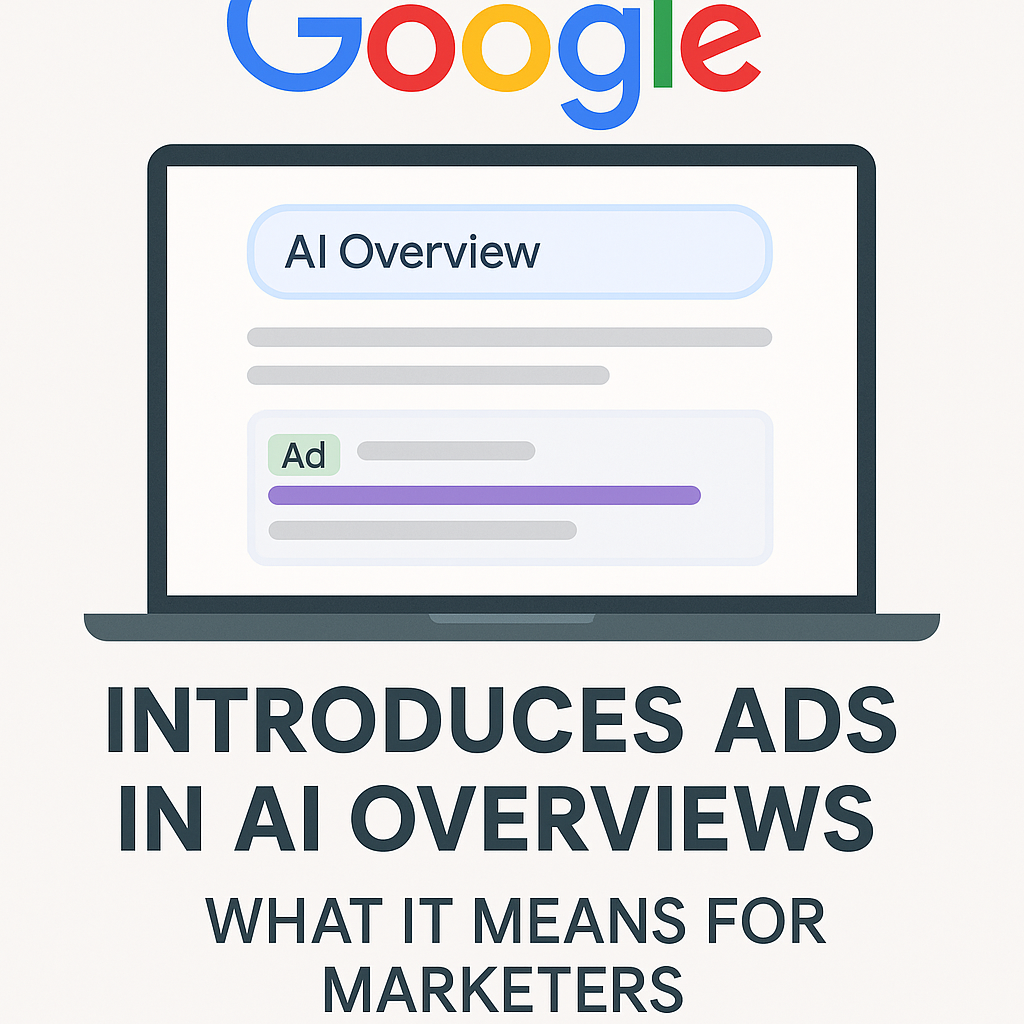
Google has once again disrupted the digital marketing landscape—this time by launching ads in AI Overviews. As artificial intelligence transforms search behavior, Google is evolving its monetization strategy to match user expectations and trends. The introduction of ads directly within AI-generated overviews signals a significant shift in how businesses must approach paid visibility online. For brands that rely on PPC advertising management, the implications are both promising and complex. Marketers must prepare for a future where AI-assisted search doesn’t just recommend content—it sells it. What Are Google’s AI Overviews? Google’s AI Overviews are summaries generated using large language models (LLMs) like Gemini (formerly Bard) that appear at the top of certain search results. They aim to deliver instant answers by synthesizing information from multiple sources—essentially preempting the need to click on traditional links. Now, Google has begun inserting Search and Shopping ads directly into these AI Overviews, initially for U.S. users and soon expanding to other English-speaking countries. Previously limited to mobile search, these ad placements are now being extended to desktop users and even into “AI Mode,” a new search interface optimized for conversational interaction. What Does This Mean for Marketers? This move adds a new, prominent layer of ad real estate in search. It also means your brand’s visibility within search results now competes not only with SEO-optimized content but with AI-curated content that can include paid placements within the overview itself. For businesses already investing in SEO optimization services and paid social media advertising, the game has changed. The traditional hierarchy of organic listings → paid ads, → featured snippets is evolving into a dynamic and AI-driven interface where contextual relevance and intent drive visibility. Who’s Eligible for These New Ad Placements? Google’s initial rollout supports advertisers using: That means if you’re using Google Ads with these campaign types, your ads may already be eligible to appear in AI Overviews—without requiring any additional setup. However, to fully capitalize on this visibility, your ad content, keywords, and creative approach must adapt to AI’s evolving context requirements. How Are These Ads Displayed? In a traditional search, ads are usually placed above or below organic results. In AI Overviews, ads are embedded within the actual answer—appearing alongside links and sources provided by the AI. Importantly, these ads are: This contextual approach may lead to higher engagement, as ads blend naturally into informative answers. Opportunities and Challenges Ahead ✔ Opportunity: Enhanced Visibility Where Users Are Focused AI Overviews are designed to capture immediate attention. By inserting ads directly into that space, Google is giving advertisers access to one of the most concentrated areas of user focus. For marketers with strong brand strategy consulting, this offers a unique way to ensure your messaging appears in the “zero-click” zone—before users even scroll. ✔ Opportunity: Relevance-Driven Conversions Unlike traditional ads that depend on visual dominance, AI Overview ads benefit from being contextually embedded within helpful content. This means higher engagement potential—especially for product-based or solution-driven queries. If a user searches, “What’s the best air purifier for allergies?” and the AI suggests your product, that placement can be reinforced with a targeted ad—driving conversions from an already-warm lead. ⚠ Challenge: Ad Saturation and User Fatigue With the increasing number of ad placements across the SERP—now including inside AI answers—users may begin to experience ad fatigue. This could lead to: Balancing precision targeting with value-driven messaging will be essential to maintaining engagement. Preparing for AI-Enhanced Advertising As a marketer, how can you adjust your strategy for success in this AI-powered ad environment? 1. Audit Your Existing Campaigns Start by reviewing your use of: Are they optimized for intent and performance? If not, this is a good time to conduct a comprehensive audit in collaboration with your PPC advertising management team. 2. Optimize for Conversational Relevance AI Overviews are generated to feel natural and conversational. Your ad copy should match this tone. Try: “Looking for allergy relief? Discover HEPA air purifiers starting at $99.” Avoid: “HEPA AIR PURIFIER – BUY NOW – 50% OFF!” The goal is to enhance, not disrupt, the user’s experience. 3. Monitor Your Campaign Metrics Track: These metrics can indicate whether your ads are resonating in AI Overviews versus traditional placements. Beyond Ads: A New Era of Search Behavior Google’s AI ad rollout also reflects a broader shift in how people search. Increasingly, users expect: To meet these expectations, your marketing strategy should combine: In short, it’s not just about ranking anymore—it’s about being the best answer in the right format, at the right time, powered by AI. Final Thoughts: A Call for Agility Google’s decision to introduce ads in AI Overviews is not a minor adjustment—it’s a redefinition of the search experience. For marketers, it’s a wake-up call to embrace agility, innovation, and AI fluency. At Speed Dot 360, we understand how fast this landscape moves. That’s why we provide integrated strategies that combine PPC advertising management, AI-readiness, SEO optimization, and brand strategy consulting to help businesses not only adapt—but lead. Whether you’re looking to dominate in AI search, revamp your ads for conversational platforms, or future-proof your paid media, we’re ready to help you rise to the occasion.
How to Attract and Convert Website Visitors through Content Marketing
In the ever-evolving world of digital business, content isn’t just king—it’s your brand’s most reliable salesperson. At Speed Dot 360, we believe content marketing is not just a buzzword; it’s a strategic powerhouse. It acts as a bridge to seal the gap amid curiosity and conversion. From insightful blogs to interactive quizzes and storytelling-infused videos, great content draws people in and nurtures trust. If you’re struggling to turn traffic into paying customers, you’re not alone. But with the right approach—including targeted keyword research services—content marketing can help you create a funnel that not only attracts but also converts with purpose and precision. What Is Content Marketing and Why Does It Matter? Content marketing is the procedure of planning, creating, distributing, and managing content to reach your ideal audience and convert them into loyal customers. Instead of selling directly, content marketing focuses on providing value, solving problems, and building a relationship with your audience. This value-based approach is more effective than traditional advertising because people engage with brands that educate and inspire them, not just those who interrupt their feed with a product pitch. Mapping Content to the Buyer’s Journey Every piece of content should speak to a stage in your customer’s decision-making process. That’s why aligning your strategy with the buyer’s journey is crucial: This journey-based content strategy ensures you’re not just speaking to everyone but speaking to the right person at the right time, with the right message. Types of High-Converting Content Your content toolkit should be diverse. Here are the formats delivering results in 2025: SEO: Fuel for Your Content Engine You can write the most insightful blog post in the world, but if no one sees it, it won’t convert. This is where SEO optimization services come into play. From researching trending keywords to optimizing meta descriptions, every technical detail adds up. Start with effective keyword research services to find terms your ideal customers are actually searching for. Then, weave those keywords naturally into your content—headlines, subheads, body copy, and alt-text. And don’t forget about backlinks. Getting your content linked from high-authority websites signals credibility to search engines and boosts ranking power. Consider integrating link building services into your broader strategy. Attracting the Right Visitors: Proven Strategies Attracting traffic starts with visibility. Here are key ways to draw users to your website: Turning Traffic Into Leads Once visitors land on your site, your content’s job is far from done. It must inspire action. Use every interaction point as an opportunity to move users one step closer to becoming a lead or customer. The Power of Email Marketing Email marketing campaigns remain a powerhouse for nurturing leads over time. Use your newsletter to deliver handpicked blog articles promotional offers, or invite readers to upcoming webinars. Segment your list according to your user behavior or interests to personalize messaging and boost engagement. Combining smart email with content ensures your brand remains top-of-mind throughout the decision-making process. Brand Storytelling: The Emotional Connection People don’t just buy products—they buy stories, values, and experiences. Brands with compelling narratives cut through the noise and stay memorable. Invest in brand storytelling solutions that resonate with your audience. Your “why” matters. From an about page to customer testimonials, let your brand voice come alive. By weaving storytelling into your content—from blogs to videos—you humanize your message, making your business more relatable and trustworthy. Measuring What Matters You can’t improve what you don’t measure. Here are key metrics to track: Utilize tools like Google Analytics, HubSpot, and SEMrush to analyze performance and regulate your strategy accordingly. Branding & Strategy: The Foundation for Long-Term Growth Finally, don’t treat content marketing as a siloed effort. Your success hinges on a well-rounded approach that aligns with broader branding & strategy initiatives. Strategic alignment ensures every piece of content not only attracts but also reflects the values and vision of your business. Final Thoughts Content marketing in 2025 is about connection, credibility, and conversion. Whether you’re building blog funnels, running email marketing campaigns, investing in SEO optimization services, or crafting your brand narrative through brand storytelling solutions, remember: value-first always wins. At Speed Dot 360, we specialize in helping businesses create and execute data-driven content strategies that turn visitors into leads—and leads into loyal customers. Are you ready to grow your business with content that truly converts?
How Long Should a Blog Article Be? The Strategic Answer to Ranking High
In an age of information overload, attention spans are shorter—but paradoxically, search engines love long-form content. So, how long should your blog articles be if your goal is to rank high on Google? Spoiler alert: There’s no one-size-fits-all answer. However, there is a strategic sweet spot based on content purpose, competition, and search intent. In the realm of SEO optimization services, understanding the ideal blog length is a foundational component of successful content strategy. Combined with effective on-page SEO strategies and complementary off-page SEO solutions, the right word count can drastically improve your visibility and traffic. Let’s dive into what the data—and the experts—actually say. What Studies Say About Blog Length? Numerous studies have analyzed the relationship between blog length and Google rankings. Here’s what the latest data reveals: Takeaway: While quality always trumps quantity, longer posts typically offer more comprehensive information, improved keyword targeting, and better opportunities for internal linking—all crucial for SEO. Why Longer Blog Posts Rank Higher (When Done Right) 1. Depth = Relevance Google’s algorithm favors content that thoroughly answers the user’s query. A 500-word blog may skim the surface, but a 2,000-word post is more likely to address multiple angles, subtopics, and related questions. 2. More Keywords, Naturally Longer posts allow more semantic keyword integration without resorting to keyword stuffing. This helps you rank for multiple variations of your focus keyword. 3. Enhanced Engagement Signals If your content is structured well, users will spend more time on your page, mitigating bounce rates and increasing dwell time—two key engagement signals Google considers. 4. Linkability Comprehensive guides are more likely to earn backlinks, which directly support your off-page SEO solutions by building domain authority. When Shorter Blog Posts Work Best Not all content needs to be a 2,000-word marathon. Short-form blogs (300–800 words) still have a place—especially when: These posts can still support SEO when backed by strong on-page SEO strategies such as optimized metadata, internal linking, schema markup, and mobile-first formatting. How to Determine the Right Length for Your Blog Let’s break it down by content type and intent: Blog Type Ideal Length Purpose Pillar Pages / Ultimate Guides 2,000–3,500 words Rank for high-volume, competitive keywords How-to / Tutorials 1,200–2,000 words Detailed step-by-step instructions Thought Leadership / Opinion 1,000–1,500 words Showcase expertise, drive engagement Product/Service Pages 700–1,200 words Inform and convert FAQs / Short Updates 300–800 words Quick answers and updates Use competitor research: Google your topic and analyze the average length of top-ranking posts. Your goal is to match—or exceed—the depth they offer without adding fluff. Structuring Long-Form Content for Maximum Impact Long posts can become overwhelming if not formatted properly. Here’s how to make yours digestible and engaging: Use Subheadings (H2, H3, H4) Break content into logical sections so readers can scan or jump to what they need. Incorporate Visuals Infographics, images, charts, and videos break up text and boost comprehension. Optimize for Mobile Responsive website design is a must. Mobile-friendly formatting reduces bounce rates and improves ranking potential. Add Internal Links Boost engagement and page views by linking to related articles, products, or resources on your site. CTA Placement Include relevant Calls-to-Action to guide readers toward your conversion goals (newsletter, contact form, download, etc.). Keyword Strategy: Pairing Length with SEO Long-form content offers more room to target: Use tools like SurferSEO, SEMrush, or Clearscope to analyze keyword gaps and match searcher intent. But don’t forget: without proper on-page SEO strategies—like optimized title tags, meta descriptions, and schema markup—your masterpiece may never be seen. Promoting Your Blog with Off-Page SEO Solutions Even the most well-written, SEO-optimized blog needs external signals to perform. Use These Tactics: These off-page SEO solutions build credibility, drive referral traffic, and enhance your site’s authority over time. How Blog Length Affects Ranking Timeline Blog length also plays a role in how fast you rank: Pair your publishing efforts with consistent analytics tracking (Google Analytics, Search Console) to measure performance and refine strategy. Final Thoughts: It’s Not Just About Word Count While length is important, quality, intent, and user experience matter more. A well-researched 1,500-word article with rich insights and clean formatting will outperform a 3,000-word post filled with fluff. At SpeedDot360, our SEO optimization services are designed to find the perfect balance between content depth, keyword relevance, and conversion strategy. Whether you’re creating blog content for awareness, authority, or lead generation, we help you structure and scale your efforts to perform. FAQs 1. Is 500 words too short for a blog post?Yes—for most SEO purposes. While it can work for quick updates or FAQs, longer posts perform better for competitive keywords. 2. Can blog posts be too long?Only if they’re not valuable, if your content is repetitive or lacks focus, readers (and Google) will tune out. Stick to relevance. 3. What’s the ideal blog frequency for SEO?Publishing 2–4 high-quality posts per month is a good baseline. Consistency matters more than quantity. 4. How do I promote long-form blog posts?Use a mix of email, social sharing, backlink outreach, and syndication. Combine with off-page SEO solutions to amplify reach. 5. Should every blog be 2,000+ words?No. Let the topic and competition guide your length. Use data, not guesswork, to determine the ideal structure.
Ecommerce Metrics That Help You Turn Data Into Revenue
In the competitive world of ecommerce, simply launching a store with a sleek online store design isn’t enough. To drive scalable growth, you need to measure what matters. That’s where ecommerce metrics come in. They are not just numbers—they are critical insights that, when used right, can lead to smarter decisions and more revenue. Think of your data as a GPS for your ecommerce business. Without tracking the right metrics, even the best custom ecommerce solutions won’t reach their full potential. Let’s dive into the most important ecommerce metrics that bridge the gap between raw analytics and real profit. 1. Conversion Rate (CR): The Core of Ecommerce Growth Conversion rate is the most obvious yet most underutilized ecommerce metric. It tells you how many of your visitors are actually becoming customers. If your beautifully built ecommerce website design isn’t converting, it’s not doing its job. Formula:Conversion Rate = (Number of Sales / Number of Visitors) x 100 Tips to Improve: 2. Customer Acquisition Cost (CAC): Know What You Pay to Get Customers CAC is what it costs to acquire a new customer, including marketing, sales, and advertising expenses. High CAC with low return is a sign of inefficiency. Formula:CAC = Total Marketing Costs / Number of New Customers Acquired Optimization Strategies: 3. Average Order Value (AOV): Increase the Cart, Increase the Revenue AOV reveals the average amount spent each time a customer places an order. It’s easier to increase the size of the cart than to acquire a new customer. Formula:AOV = Total Revenue / Number of Orders Growth Hacks: 4. Customer Lifetime Value (CLV): Think Long-Term, Not Just Per Sale CLV measures the total amount of money a customer is expected to spend with your business over their entire relationship with you. It helps determine how much you should spend on acquisition and retention. Formula:CLV = AOV × Purchase Frequency × Customer Lifespan How to Maximize CLV: 5. Shopping Cart Abandonment Rate: A Hidden Leak in the Funnel Almost 70% of ecommerce shoppers abandon their carts. That’s a lot of lost potential revenue. This metric tells you where people are bailing out and why. Key Fixes: 6. Return on Advertising Spend (ROAS): Are Your Ads Working? ROAS shows how much revenue you generate from every dollar spent on advertising. It’s crucial to understand which campaigns are profitable and which aren’t. Formula:ROAS = Revenue from Ads / Cost of Ads Best Practices: 7. Site Traffic: Don’t Just Count Visits—Segment Them Getting people to your store is step one, but understanding who they are, where they come from, and what they do is next-level insight. Track: Use these insights to optimize both ecommerce SEO services and paid strategies. 8. Bounce Rate & Exit Rate: Understand Why People Leave Bounce rate shows single-page visits, while exit rate reveals where users are leaving your site. High bounce or exit rates from product pages? You’ve got a UX or trust issue. Reduce Bounce Rates: 9. Product Performance Metrics: What’s Hot and What’s Not Understanding which products sell well—and which don’t—is critical for inventory, marketing, and pricing decisions. Metrics to Watch: Apply this data to upsell tactics and feature high-performing products on homepage or ad creatives. 10. Email Marketing KPIs: Your Revenue-Generating Engine Email marketing isn’t dead—it’s thriving when done right. Track metrics like open rates, CTR, and revenue per email to refine campaigns. Metrics to Improve: Personalization is key. Use customer behavior and segment your list accordingly. 11. Customer Retention Rate: Growth Isn’t Just Acquisition Repeat customers are more profitable. Tracking retention gives insight into customer satisfaction and loyalty. Formula:CRR = ((E-N)/S) x 100Where:E = Customers at endN = New customersS = Customers at start Boost Retention: 12. Net Promoter Score (NPS): Would They Recommend You? This particular survey asks customers how likely they are to recommend your store. It’s a strong indicator of customer experience and brand loyalty. How to Use NPS: 13. Site Speed & Mobile Responsiveness: Underrated but Crucial A slow site means lost sales. Google also factors in site speed for rankings, impacting your ecommerce SEO services. Tools: Compress images, use caching, and choose fast hosting for best results. 14. Checkout Funnel Metrics: Find and Fix Drop-Offs Use Google Analytics or heatmaps to see where users drop off in your checkout process. Streamlining these steps increases your overall conversion rate. Focus Areas: 15. On-Site Search Metrics: Uncover What Shoppers Really Want Track what users are searching for and whether they find it. This helps in optimizing custom ecommerce solutions like product categorization and inventory. Track: Use this data to create new collections, improve navigation, or launch new products. Conclusion Data without action is just noise. By monitoring the right ecommerce metrics, you can steer your store toward higher conversions, lower acquisition costs, and more loyal customers. Whether you’re refining your ecommerce website design, investing in smarter ecommerce SEO services, or developing custom ecommerce solutions, metrics are the fuel for revenue growth.
The Right Use Of AI In Digital Marketing

Artificial Intelligence (AI) came into our lives with a revolutionary change, commenced in a simple world, and has now set a trend that is no longer a futuristic concept; AI has changed how we do our work and has essentially transformed the digital marketing landscape as well. Brands use AI for content generation, SEO, PPC advertising management, and customer engagement. However, as AI becomes more embedded in marketing, ethical concerns arise about transparency, privacy, and authenticity. For businesses that rely on SEO optimization services, AI-driven automation can streamline processes, but over-reliance on AI-generated content and unethical data use can damage credibility. This article explores the ethical and strategic use of AI in digital marketing, ensuring that brands can harness its potential without compromising integrity. The Fine Line Between Innovation and Manipulation AI is evolving how businesses interact with consumers, but where should the line be drawn? The ethical use of AI means ensuring that algorithms enhance rather than manipulate user experiences. Marketers must ensure AI tools are used transparently and fairly, avoiding deceptive practices that could mislead customers or exploit their data. AI-driven marketing should prioritize user trust, ensuring that automation enhances experiences rather than replaces genuine human interaction. Ethical AI respects user autonomy, avoids manipulative tactics, and provides value-driven engagement rather than focusing solely on conversions. Key Ethical Considerations: Transparency in AI-driven decision-making Avoiding AI-generated misinformation Preventing AI Bias in advertising and content delivery Balancing Automation with Authenticity AI tools like ChatGPT and Jasper can assist in content creation, but blindly using AI-generated content can lead to plagiarism, misinformation, and generic output. Content marketing agencies should balance AI efficiency with human oversight to ensure that content remains original, engaging, and contextually accurate. AI can be leveraged to generate first drafts, analyze trends, and optimize readability, but final content should always be reviewed by human editors. While AI can speed up production, ethical concerns arise when AI content is misrepresented as human-written or used to create misleading narratives. Best Practices for Ethical AI Content Creation: Ensure AI-generated content is reviewed and edited by humans Avoid misleading AI-generated narratives Disclose AI involvement in content production Use AI to assist, not replace, creative content teams Enhancing Search Without Gaming the System SEO has evolved with AI, making keyword research services more efficient. AI tools analyze user intent and suggest optimized keywords, but some businesses misuse AI to manipulate rankings with keyword stuffing or AI-generated spam content. Ethical AI in SEO ensures that search results remain valuable to users. AI should be used for data-driven insights, improving search intent alignment, and refining content strategies rather than exploiting algorithm loopholes. Ethical SEO Practices with AI: Use AI-driven keyword insights responsibly Avoid auto-generated articles with no human review Prioritize high-quality, informative content Leverage AI for intent-based content optimization Transparency and Fair Bidding Practices PPC advertising management relies heavily on AI for real-time bidding and ad targeting. While AI optimizes campaigns, there is a risk of manipulative practices such as inflated ad engagement or non-transparent targeting. Using AI in PPC should focus on creating a fair and efficient bidding system that maximizes ROI while respecting ethical standards. Marketers should ensure that AI-powered ad placements provide genuine value and do not mislead audiences with overly optimized messaging. Ensuring Ethical AI Use in PPC: Clearly disclose AI-driven ad placements Avoid misleading AI-generated ad copies Respect user privacy when targeting ads Ensure fair bidding practices to prevent price manipulation Ethical Outreach vs. Automation Abuse AI can streamline link-building services by identifying high-quality backlink opportunities, but mass AI-generated outreach often results in spammy, irrelevant links that hurt credibility. Marketers should ensure that AI is used to build meaningful partnerships rather than automate outreach without context. Ethical link-building should prioritize genuine connections and high-authority sources rather than excessive automation. Ethical Link Building with AI: Use AI for research, not for mass automation Personalize outreach efforts with human input Avoid black-hat AI tactics like fake link networks Give strict attention to quality over quantity when building backlinks Personalization Without Privacy Invasion AI-driven chatbots enhance customer interactions, but they must not deceive users into thinking they are interacting with humans. Transparency is key, and brands should avoid using AI-generated conversations to manipulate or mislead customers. AI chatbots should enhance user experience through relevant, quick responses while allowing seamless human escalation when necessary. Brands should also prioritize ethical data collection, ensuring chatbots do not store unnecessary user information. Best Practices for Ethical AI Chatbots: Clearly indicate chatbot interactions Use AI for assistance, not manipulation Ensure chatbots respect customer privacy Allow human intervention when necessary Ensuring Compliance in Digital Marketing AI-driven analytics provide valuable insights, but ethical concerns arise when AI is used to track user behavior without consent. Organizations must comply with data protection rules like GDPR and CCPA. In addition, transparency in data collection and AI usage is essential to maintaining consumer trust. Businesses should prioritize security, anonymization, and explicit consent when handling user data. Key Privacy Considerations: Obtain explicit user consent before collecting data Anonymize data when possible Be transparent about AI’s role in data analysis Implement data protection measures to prevent breaches Ethical Influencer Targeting & Engagement AI helps brands identify influencers and analyze engagement, but some brands misuse AI-generated engagement, such as fake followers and auto-generated comments. The ethical use of AI in social media marketing ensures genuine audience interactions and prevents misleading metrics. AI should be used to enhance engagement strategies rather than fabricate false audience growth. How to Use AI Ethically in Social Media: Avoid AI-generated fake engagement Disclose AI-driven influencer partnerships Use AI insights for authentic audience engagement Ensure AI does not manipulate social sentiment How to Use AI Without Losing Credibility? Consumers value authenticity, and over-reliance on AI can erode trust. Ethical AI practices ensure that brands maintain credibility and foster long-term relationships with their audience. Brands should be upfront about AI’s role in their marketing strategies and avoid using AI to manipulate user behavior or perceptions. Building Consumer Trust with AI: Use AI as
How Speed Dot 360 Optimizes Your Home Service Website For SEO?
In today’s digital landscape, having a well-optimized website is crucial for home service businesses to attract local prospects and stay ahead of the competition. Speed Dot 360 specializes in SEO optimization services, helping home service providers increase their online visibility, improve search rankings, and drive more leads. With expertise in local SEO agency strategies, on-page SEO strategies, and technical SEO audits, we ensure that your website is completely optimized for search engines and potential customers. In this blog, we’ll explore how Speed Dot 360 enhances your home service website’s SEO to maximize growth. Understanding the Importance of SEO for Home Service Businesses SEO is essential for home service businesses because: Increased Local Visibility: Local searches drive high-intent customers who need immediate services. Higher Conversion Rates: Optimized websites attract quality leads who are ready to hire. Competitive Edge: SEO helps you outrank competitors and appear in top search results. Speed Dot 360 ensures your business stands out in search engine rankings, connecting you with the right audience at the right time. Local SEO Strategies for Maximum Reach Local SEO is a game-changer for home service businesses targeting specific geographic areas. Our local SEO agency services include the following: Google My Business Optimization: Ensuring your GMB profile is complete, accurate, and optimized for local searches. Local Citations and Directories: Listing your business on top platforms like Yelp, Angi, and HomeAdvisor. NAP Consistency: Maintaining accurate Name, Address, and Phone Number across all online listings. Customer Reviews & Ratings: Encouraging satisfied customers to leave positive reviews to boost credibility. By implementing these strategies, Speed Dot 360 helps you dominate local search results and attract high-intent customers. On-Page SEO Enhancements Our on-page SEO strategies improve your website’s structure, content, and usability to enhance search engine rankings. Key optimizations include: Keyword Optimization: Researching and incorporating relevant home service keywords for better ranking. Content Creation & Blogging: Publishing informative blog posts that target common customer queries. Meta Tags & Headers: Optimizing title tags, meta descriptions, and header tags for search engines. Internal Linking: Strengthening website navigation and linking to relevant service pages. These tactics improve user experience and increase your chances of ranking higher on Google. Off-Page SEO Solutions for Greater Authority A strong off-page SEO strategy helps establish credibility and authority for your home service business. Our off-page SEO solutions include: High-Quality Backlinks: Acquiring links from reputable home service websites and local directories. Guest Blogging & Outreach: Collaborating with industry blogs and influencers to expand reach. Social Media Engagement: Enhancing brand awareness through strategic social media marketing. Local Link Building: Connecting with local businesses to gain trust and referral traffic. By building a strong online presence outside your website, Speed Dot 360 increases your brand’s credibility and search engine authority. Technical SEO Audits & Website Optimization A well-functioning website is essential for ranking well on search engines. Our technical SEO audit services include: Mobile-Friendly Design: Certifying your site is responsive and optimized for mobile users. Page Speed Optimization: Reducing load times to enhance user experience and SEO performance. Secure HTTPS Implementation: Ensuring your site is secure and trustworthy. Schema Markup & Structured Data: Enhancing search engine understanding for better visibility in rich results. Fixing Broken Links & Errors: Addressing crawl issues and enhancing site functionality. With a thorough SEO audit, we monitor and find solutions to technical issues that may be hindering your website’s performance. Content Marketing for Home Service Websites High-quality content is the groundwork of any successful SEO strategy. Speed Dot 360 offers content marketing solutions such as: Service Page Optimization: Crafting compelling service descriptions that highlight expertise. FAQ Sections: Answering common customer queries to improve engagement and ranking for voice searches. How-to Guides & Tutorials: Providing valuable insights on home repairs, maintenance tips, and industry best practices. Video Content: Leveraging video marketing to increase engagement and conversion rates. By tailoring informative and engaging content, we help position your business as an industry leader. Conversion Rate Optimization (CRO) for More Leads Needless to say, SEO is not about ranking higher; it’s also about converting visitors into customers. Our CRO strategies include: Optimized Call-to-Action (CTA) Buttons: Encouraging users to contact, schedule, or request a quote. Easy-to-Navigate Website Layouts: Ensuring seamless user experience and accessibility. Trust Signals & Testimonials: Showcasing client reviews and industry certifications to build credibility. Live Chat & Inquiry Forms: Providing instant assistance and capturing leads effectively. By fine-tuning website elements, we increase conversions and maximize ROI for home service businesses. Tracking & Analytics for SEO Success Measuring SEO success is key to refining strategies and achieving better results. We use: Google Analytics & Search Console: Monitoring traffic, user behavior, and performance metrics. Keyword Ranking Reports: Tracking keyword positions and making necessary adjustments. Heatmaps & User Behavior Analysis: Understanding how visitors interact with your site. Monthly Performance Reviews: Providing insights and recommendations for continuous improvement. With data-driven insights, we ensure ongoing SEO success for your business. Why Choose Speed Dot 360 for Home Service SEO? At Speed Dot 360, we take a tailored approach to SEO optimization services for home service businesses. Our expertise includes: Comprehensive Local SEO Strategies to enhance visibility in your service area. Proven On-Page & Off-Page SEO Techniques to improve rankings and brand authority. Advanced Technical SEO Audits to ensure a seamless website experience. Custom Content Marketing Solutions to engage and convert visitors into customers. Our SEO blueprint is designed to drive long-term results, assisting you to stay competitive. Conclusion Optimizing your home service website for SEO is essential for increasing visibility, generating leads, and growing your business. At Speed Dot 360, we provide comprehensive local SEO agency services, on-page SEO strategies, off-page SEO solutions, and technical SEO audits to help you dominate search results. Ready to take your home service business to the next level? Contact Speed Dot 360 today for expert SEO solutions!